
Missouri property-tax overhaul faces pushback from nursing homes, counties and schools
Get AI-powered insights, summaries, and transcripts
Subscribe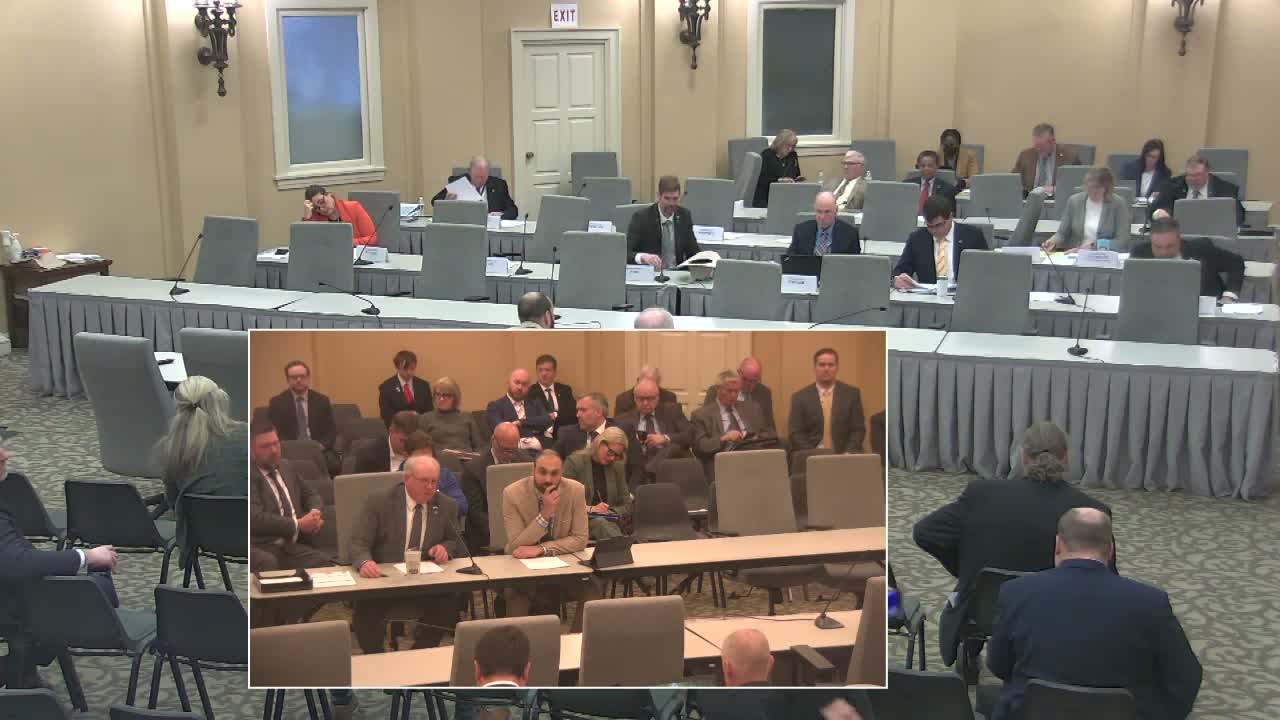
Summary
Sponsors presented a wide-ranging property-tax reform package that would change valuation methods, short-term rental classification, and TIF accounting; long-term care providers and local governments warned the measures could double taxes for some facilities and disrupt school and municipal revenues.
Representatives Tim Taylor and Ben Keithley presented House Bills 2668 and 2780 — identical companion measures that consolidate multiple property-tax reforms — at a public hearing Tuesday where healthcare providers, municipal officials and school-administration groups voiced strong objections.
The sponsors described the bills as an omnibus effort to close perceived loopholes and increase transparency. Key provisions explained by Representative Tim Taylor included prohibiting ballot advertising that labels tax proposals as 'no tax increase,' requiring most tax-increase proposals to appear on November general-election ballots rather than special elections, treating short-term rentals (for stays under 30 days) as residential rather than commercial for tax purposes, redefining "true value" toward replacement-cost valuation, counting tax-abatement or TIF amounts toward Hancock revenue caps, and requiring a physical inspection before any property receives more than a 15% increase in assessed value.
The package drew immediate opposition from multiple organized stakeholders. Nikki Strong of the Missouri Healthcare Association testified the proposal to reclassify long-term care facilities "would essentially double the tax burden on these facilities," saying many residents rely on Medicaid and facilities operate with narrow margins. Tim Blattle, representing the Missouri Assisted Living Association and an operator with four decades of experience, warned increases would be an "unfunded mandate" and said rising insurance and liability costs already squeeze operators.
Nonprofit providers and the lodging industry also raised concerns. David McCracken of LeadingAge Missouri warned against reclassifying nonprofit long-term-care providers as commercial, and Oregon Schleymeyer of the Missouri Hotel and Lodging Association urged the committee to base classification on use (commercial when it operates as a short-term-rental business) rather than a blanket statewide mandate.
School administrators and local-government associations warned the committee of fiscal and timing consequences if deadlines are extended or if new constructions are folded into Hancock calculations. Mike Lodewiggan of the Missouri Council of School Administrators said cutting local revenues would affect the foundation formula rewrite underway. Laura Holloway of the Missouri Municipal League said moving local tax votes to November could create "ballot fatigue" and higher public-education costs to inform voters. Steve Hobbs of the Missouri Association of Counties argued the package makes the system more complicated and harder for taxpayers to understand.
Supporters included a state public advocate who called the bill a "great start" for imposing transparency requirements, while also asking for vetting and guarantees of funding for items such as the blind pension fund if its funding method shifts to a legislative appropriation.
The committee took testimony but did not enact changes to these provisions during the hearing. Sponsors acknowledged many definitions and implementation details remain unresolved and said they would continue consultations with stakeholders.
What’s next: The bills remain in committee; sponsors and opponents signaled willingness to work on definitional language and potential carve-outs, particularly for nonprofit and long-term-care providers.