
Proposal to exempt residential utilities from sales tax divides municipalities and consumer advocates
Get AI-powered insights, summaries, and transcripts
Subscribe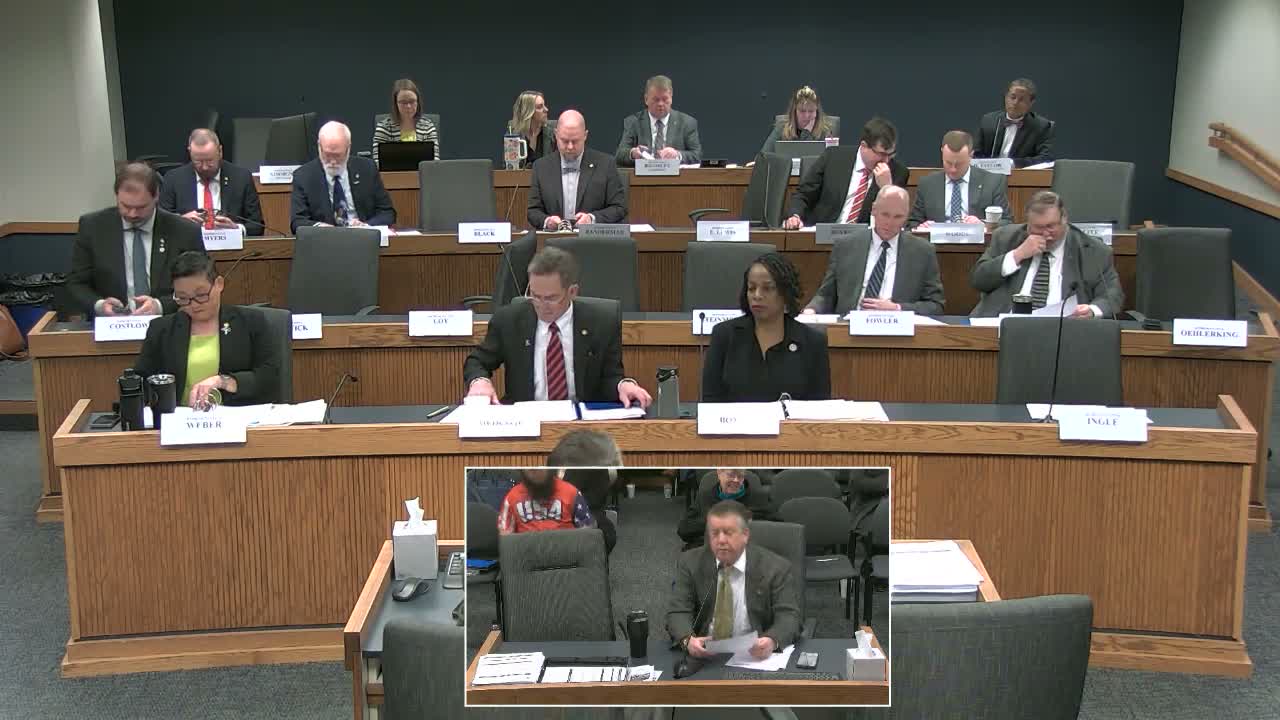
Summary
House Bill 2382 would eliminate sales tax on residential utilities. Sponsor framed the change as relief from "double taxation;" municipal officials and leagues warned of substantial local revenue loss and urged careful transition planning and alternative revenue sourcing.
Representative John Simmons (District 109) presented House Bill 2382, proposing to exempt residential-only utilities from local sales tax. Simmons said sales tax on utilities constitutes "double taxation," because customers already pay user charges in rates, and argued the exemption would provide targeted relief to households.
Supporters at the hearing included the state public advocate, who echoed the sponsor's view that taxes on basic necessities should be reduced. Opponents — notably the Missouri Municipal League and local city administrators — said utility sales tax receipts, though individually modest, provide predictable general-revenue funds for essential services such as police, fire and roads, and warned that many small counties and third-class municipalities rely heavily on that revenue.
Richard Sheets of the Missouri Municipal League explained sales and franchise fees were often voter-approved and that cities have limited alternatives (property-tax caps, constrained authority) to replace lost revenue without significant service impacts. Brent Barrack, Perryville city administrator, said his county receives about $400,000 from the utility tax and that losing it would force difficult tradeoffs for local services.
Department of Revenue staff clarified the fiscal-note figures, noting the counts cited in the fiscal note reflect jurisdictions currently authorized to, and in many cases already, collecting the utility sales tax; the department advised the committee that not all political subdivisions levy the tax.
Committee members debated local control versus statewide uniformity: several representatives said they were sympathetic to exempting basic necessities but wanted a transition period and attention to franchise-fee language and statutory cross-references. The hearing concluded with requests for additional fiscal detail and implementation timelines from the sponsor.