
Committee advances $2M pilot to recruit New Mexico health-care workers
Get AI-powered insights, summaries, and transcripts
Subscribe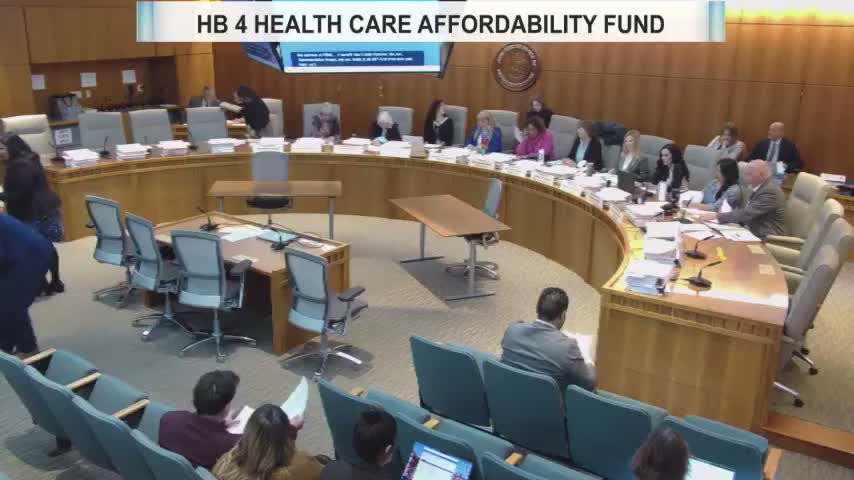
Summary
House Bill 68, a $2 million pilot to create a targeted "headhunter/concierge" recruitment program for recent New Mexico health‑care graduates, received a due pass after extensive questioning about metrics, rural reach and whether one‑time funds can sustain ongoing staffing needs.
Representative Mariana Anaya presented HB68 to fund a strategic health-care recruitment program housed at the Department of Workforce Solutions. The program is designed as a headhunter/concierge model to recruit New Mexico graduates (within 10 years) and other qualified clinicians into the state, help navigate licensing and credentialing, and connect hires with community supports such as housing and early-childhood resources.
Witnesses from the New Mexico Chamber of Commerce, nursing associations, EMS, and community advocates testified in support, citing thousands of job openings across nursing, nurse practitioners and allied health occupations. Deputy Secretary Marcos Martinez (Workforce Solutions) explained DWS will leverage existing American Job Centers and labor to reduce overhead and that most funds will pay for staff doing direct recruitment. He described planned data collection and evaluation metrics—applicant pool size, applicants hired, reasons for acceptance/decline, and days from recruitment to placement—that will guide goal-setting and program evaluation.
Committee members probed several implementation questions: how the $2,000,000 was calculated, how rural communities will be served, whether physicians are included, and if the one‑time appropriation can stand up the program and sustain it. Minority members repeatedly warned against one-time funding for programs that may require recurring operational support, and questioned Workforce Solutions' vacancy rate and capacity to absorb new FTEs. The deputy indicated the program could contract externally and pursue recurring funding if successful.
Representative Ferrari moved for a due pass; after roll call the committee voted in favor (7–3). The committee advanced HB68 with requests that agencies provide clearer implementation plans and measurable reporting requirements in appropriations.