
Committee narrows anonymous complaints against officers; advocates warn survivors may be deterred
Get AI-powered insights, summaries, and transcripts
Subscribe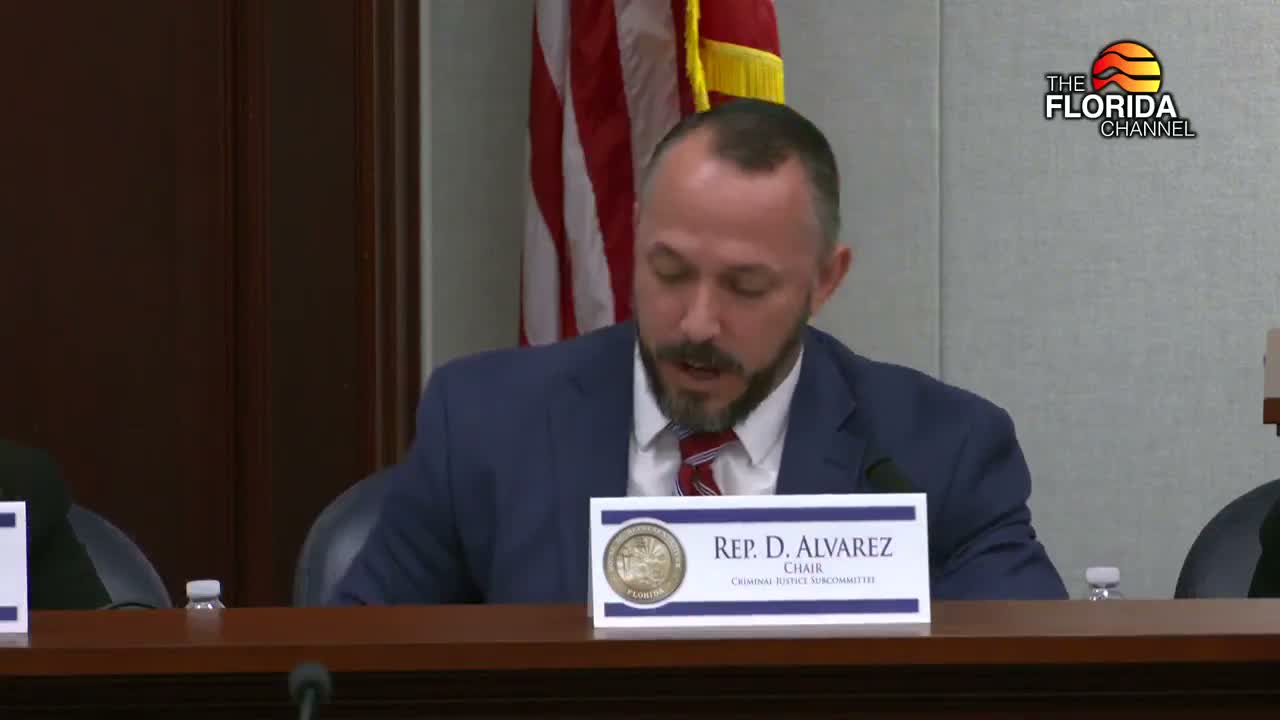
Summary
HB 1283, which limits anonymous complaints against law-enforcement and corrections officers unless accompanied by corroborating evidence, was advanced 14-1 after lengthy debate. Proponents said the change protects officers’ due process; advocates said it risks silencing victims without access to corroboration.
The subcommittee advanced HB 1283 after sponsors amended the bill to allow anonymous complaints only when accompanied by corroborating evidence. Representative Fabrizio said the change preserves accountability while preventing baseless anonymous allegations from harming officers’ careers.
Supporters from law-enforcement unions said the bill protects officers’ due process and prevents malicious or unverifiable complaints from launching full investigations. A Fraternal Order of Police representative told the committee the bill channels complaints into verifiable submissions and safeguards careers from unproven accusations.
Opponents, including survivor-advocacy organizations, said many victims—especially incarcerated people—lack access to corroborating evidence and fear retaliation. Robin Graber of the Florida Council Against Sexual Violence said the change could ‘‘create a silence for survivors’’ and make it harder to detect misconduct that later surfaces through investigation.
The committee debated use-cases (bodycam footage, inmate corroboration) and prison-incident reporting before reporting HB 1283 favorably, 14 yeas, 1 nay. Sponsors said they will continue technical work with Senate counterparts as the bill advances.