Get Full Government Meeting Transcripts, Videos, & Alerts Forever!
Get email alerts on the Budget Process topic
No spam. Unsubscribe anytime.
Wasilla finance director lays out fiscal‑year 2027 kickoff, calendar and budget transparency changes
Summary
Finance Director Ted presented the FY2027 budget calendar, warned sales‑tax growth is flattening, and proposed presentation and process changes — including more trend graphs, detailed line‑item sheets and a digital budget book — to give the council clearer, multi‑year financial information.
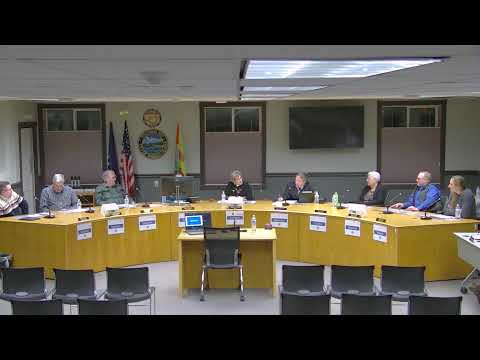
Finance Director Ted opened a Committee of the Whole presentation on the city's fiscal‑year 2027 budget, saying the goal is a transparent, collaborative process so councilmembers face "no surprises" as they enter the formal budget hearings in May. Ted told the council the administration will bring preliminary revenue figures to the February meeting and a fuller revenue report in March.
Ted said the city's general fund is funded primarily by three sources: sales tax, investment earnings and contracts (including MATCOM dispatch services), which together accounted for the majority of the city's revenue. "Sales tax is starting to curve to flat," he said, and consultants and McKinley Research will produce a sales‑tax assessment for the council.
On schedule, Ted outlined the key dates: an introduction to the budget in late April, a public hearing to take comment on May 11 and special meetings in May for operations and capital budget deliberations. He said the council must adopt a mill rate by mid‑June (audience and staff discussion referenced a June 15 administrative deadline) and finalize the budget by June 30.
To improve oversight, Ted proposed changes to the budget book: include three years of actuals plus amended and proposed budgets, add multi‑year trend graphs and department workload indicators, and expand CIP project pages so each project has a narrative, account code, category and funding sources. "We're trying to transform this budgeting from a transactional process to more the strategic," he said.
Ted also previewed digital tools (staff referenced the borough's ClearGov platform as an example) and said the administration will open NoviLine to departments so they can enter detailed records. He told the council line‑item explanation sheets will be more consistent and that finance will provide assumptions and draft estimates (including a 3% inflation factor in the assumptions).
Councilmembers praised the clarity and supported the emphasis on consistent, comparative information, while asking for additional historical data and demonstrating the line‑item comparisons councilmembers prefer. The council and staff agreed the calendar could accommodate extra meetings if needed and that staff should return with the revenue estimates and departmental templates at the next briefings.
The Committee of the Whole began at 6:02 p.m. after a motion by Council Member Johnson and ended at 8:07 p.m. after a motion by Council Member Crafton.