
Committee examines SB 341 to standardize pay and responsibilities for dual‑credit courses taught in high schools
Get AI-powered insights, summaries, and transcripts
Subscribe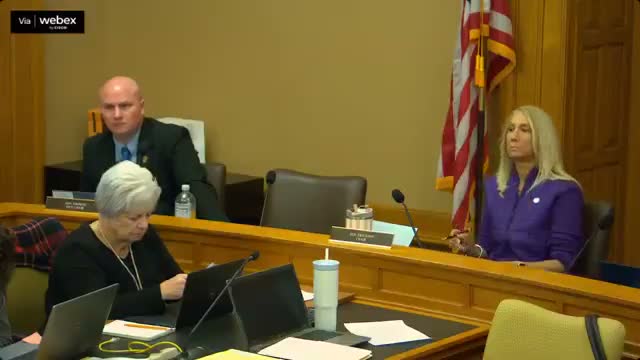
Summary
SB 341 would require new agreements between districts and community/technical colleges to specify that colleges purchase instructional materials, pay a standard stipend for district teachers ($600 per credit hour up to 10 credits) and site coordinators ($1,500/semester), and include an inflation adjustment. Regents and independent colleges urged clarifications; districts worried about local bargaining and pay caps.
The Senate Education Committee took testimony on Senate Bill 341, a proposal to standardize certain terms of agreements between Kansas school districts and community or technical colleges when postsecondary courses are delivered in high schools by district-employed teachers.
Under the draft read by reviser Tamara Lawrence, SB 341 would require colleges to purchase instructional materials and supplies where districts do not provide them, pay a defined 'standard amount' to school districts for teaching services (set in the draft at $600 per credit hour, not to exceed 10 credits), and directly compensate site coordinators up to $1,500 per semester. The bill includes an inflation adjustment calculated from a three‑year Midwest regional average and would apply to agreements entered on or after July 1; existing agreements would not be affected.
Proponents and rationale: Heather Morgan, executive director of the Kansas Association of Community Colleges, said the bill was developed after concerns about paying twice for the same dual‑credit delivery and aims to create consistent, evergreen payment practices and clarify college responsibilities for materials and instructor compensation. Morgan told lawmakers the bill could reduce negotiated variability and address practices such as districts charging facility fees or rent to colleges.
Neutral conferees: Blake Flanders, president and CEO of the Kansas Board of Regents, said the Regents were neutral and noted the rapid growth in high school students enrolled in postsecondary courses, describing funding complexities where both K‑12 and colleges receive funding for the same student and where tuition/funding rules differ by program type. Matt Lindsey, representing independent nonprofit colleges, asked the committee to clarify whether the bill should apply to independent colleges and suggested an amendment to exclude them.
Opponents’ concerns: Leah Fleiter and the Kansas Association of School Boards argued SB 341 could intrude on locally negotiated agreements between districts and teacher bargaining units and could cap or limit teacher compensation tied to those agreements. Multiple witnesses urged further consultation with districts and local partners.
Next steps and context: Committee members asked for clarifications and noted the bill may require drafting fixes — particularly to the definition of 'negotiated agreement' and to make clear which institutions are covered. The hearing closed with no further action taken.
Provenance: The reviser’s overview began at SEG 695; proponent testimony and neutral conferees appear in SEG 739–SEG 871; opponent concerns and committee discussion continued through SEG 957 when the hearing was closed.
Ending: After hearing testimony from colleges, the Board of Regents and local education representatives, the committee closed the hearing and may consider technical clarifications if the bill is worked further.