South San Antonio ISD trustees receive first monitoring report on early literacy and math; governance training held
Loading...
Summary
Trustees received the district’s first Lone Star governance progress monitoring presentation on early literacy and mathematics, heard data showing gains in multiple subjects and gaps for some student groups, and completed a governance monitoring training led by consultant Ben Mackey.
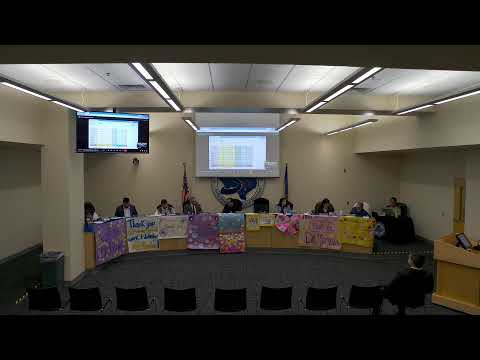
The South San Antonio ISD Board of Trustees on Jan. 26 received the district’s first formal progress-monitoring presentation on early literacy and mathematics and completed governance training aimed at aligning board oversight with district goals.
Consultant Ben Mackey led a training session for trustees on how to monitor progress toward board-approved goals. Mackey emphasized a four-part monitoring rubric—goal, data, superintendent interpretation, and evidence and plan—and urged trustees to “don’t sugarcoat the data” and to use strategic questions that lead to action. "Actions speak louder than words," Mackey said, framing monitoring as the board’s primary tool to hold the district accountable for outcomes.
District Executive Leadership then presented early-literacy and math progress measures. Dr. Gutierrez outlined the district’s third-grade STAR reading domain-1 baseline of 34 with a target of 60 by June 2030; prekindergarten phonemic-awareness results were reported at a midyear 73% (the end-of-year target is 79% for 2026 and 87% by 2030). For kindergarten through second grade, MAP growth baseline was 52 with a 2030 target of 72 and a midyear level of about 50%. For math, third-grade baseline was cited as 32 with the same 2030 target of 60. The presentation highlighted areas of celebration—double-digit gains on several EOC exams and algebra 1 and biology results that met or exceeded region and state—but also flagged gaps for students receiving special education services.
Trustees pressed for implementation detail. One board member asked which checks beyond beginning, middle and end-of-year assessments would ensure teachers are improving lesson delivery; Dr. Gutierrez pointed to common formative assessments, unit assessments, and campus data trackers used for weekly instructional adjustments. She said district leaders are deploying weekly leadership walkthroughs and targeted coaching to support teachers and small-group instruction for students who are off track.
Board members and the consultant agreed monitoring reports should be short, clear and published in advance so trustees can prepare strategic questions. No formal acceptance vote of the monitoring package was taken at the Jan. 26 meeting; trustees said the program will be the subject of recurring monitoring and that future sessions will refine measures and public reporting.
Next steps: the district will continue monthly monitoring under the Lone Star governance framework and present additional data points at future board meetings.