Get Full Government Meeting Transcripts, Videos, & Alerts Forever!
Get email alerts on the Ukraine Conflict Humanitarian topic
No spam. Unsubscribe anytime.
Relentless hostilities in northeastern Ukraine aggravate civilian harm and humanitarian needs
Summary
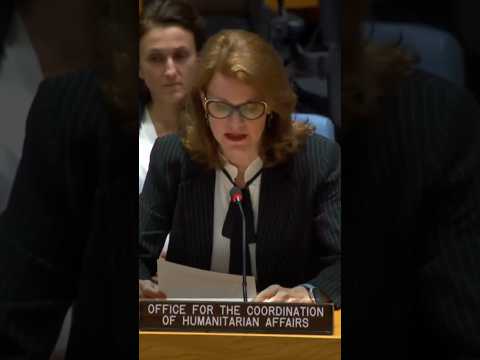
An unidentified speaker reported escalating attacks in Ukraine’s northeast that have killed and injured civilians, including children, displaced millions and left more than 14 million people—about 40% of the population—in need of humanitarian assistance, and urged parties to allow unimpeded aid.
An unidentified speaker said relentless hostilities continue in communities along Ukraine’s northeastern border with the Russian Federation and on the front line, describing a surge in fighting.
The speaker said several waves of attacks in the Kharkiv region over the past few days “have caused the death and injury of numerous civilians, including children,” and warned that the intensified fighting is making the delivery of humanitarian assistance more dangerous.
Why this matters: the speaker said the conflict “has caused the death and injury of tens of thousands of people in Ukraine,” and has displaced millions, many of whom continue to seek refuge in neighboring countries and across the world. The speaker added that more than 14,000,000 people—about 40% of Ukraine’s population—are now in need of humanitarian assistance.
The statement invoked international humanitarian law, saying all parties "must allow and facilitate the rapid and unimpeded passage of humanitarian relief for civilians in need." The speaker framed that obligation as essential to reduce civilian harm and to enable aid agencies to operate safely.
The session did not record any response from other parties or operational details from humanitarian organizations about how access would be restored or what specific assistance would be prioritized. No formal actions, votes, or commitments were recorded in the transcript.
The most recent factual development in the record is the public call for parties to permit unimpeded humanitarian access; the transcript does not indicate any follow-up measures or timelines.