Get Full Government Meeting Transcripts, Videos, & Alerts Forever!
Get email alerts on the International Careers topic
No spam. Unsubscribe anytime.
Panelists at Hinckley Forum urge curiosity, preparation as paths into international work
Summary
At a University of Utah Hinckley Forum, ambassadors, military and trade practitioners told students that curiosity, preparation and networking matter more than a single credential. They outlined State Department hiring tracks, the Foreign Service exam, and practical steps students can take to enter global careers.
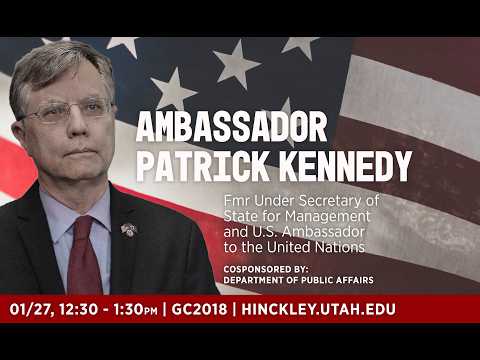
Ambassador Patrick Kennedy, a former U.S. foreign service officer and Undersecretary-level manager, told students at the Hinckley Institute of Politics that "the most important thing for all of us is to just have some intellectual curiosity and cultural understanding of where you're going in." The forum on international careers at the University of Utah on Jan. 29 drew experienced diplomats, a retired general and trade executives to give practical advice on entering global work.
Why it matters: Panelists said students often overemphasize a single credential and underappreciate on-the-job skills such as cultural adaptability, listening and networking. Those skills shape both entry-level hiring and long-term success in diplomacy, international trade and global education.
Panel takeaways: The State Department runs two main hiring tracks, panelists said: civil service roles and the foreign service. The foreign service route requires passing a multi-stage selection process, including a written exam and subsequent oral assessments; panelists compared the written portion to standardized tests and recommended practicing multiple-choice formats. "The State Department runs its own…there is an exam that is offered 2 or 3 times a year," the panel explained, and candidates should prepare for leaderless-group exercises and personal interviews.
Ambassador Kennedy also highlighted the Presidential Management Fellows (PMF) program as a useful avenue for master's students to be placed on an OPM-managed register that federal agencies consult when hiring entry-level leadership candidates. "There's a program that OPM has called presidential management fellows," he said, and advised students to watch for opportunities and eligibility rules tied to graduate enrollment.
Specialist versus generalist roles: Panelists described specialist tracks (security, information technology, engineering, construction) where technical credentials and licenses matter, and contrasted them with generalist foreign service officers who typically do political or economic analysis and cultivate regional expertise. They cautioned that specialist tracks can provide clear paths in some agencies but are less often direct routes to ambassadorial posts.
Practical skills and behavior: Multiple panelists urged humility, flexibility and volunteering for extra responsibilities to gain exposure. Advice included learning basic phrases in local languages to break the ice, preparing thoroughly for negotiations, and being willing to let opportunities "happen to you" rather than rigidly planning every step.
What’s next: Panelists encouraged students to seek internships, short-term programs and networking events at the University of Utah and to follow agency websites (for example, OPM and State Department job pages) for openings and application guidance. The panel remained available after the event to answer individual questions.