Get Full Government Meeting Transcripts, Videos, & Alerts Forever!
Get email alerts on the Juvenile Justice topic
No spam. Unsubscribe anytime.
Senate bars routine use of handcuffs on children under 14, with limited public‑safety exceptions
Summary
The Senate passed legislation prohibiting routine use of handcuffs on children age 13 and younger, while including narrow exceptions for public‑safety, court orders and protection of officers; supporters cited trauma and community policing goals, opponents sought clarity on identification and penalties for honest age‑mistakes.
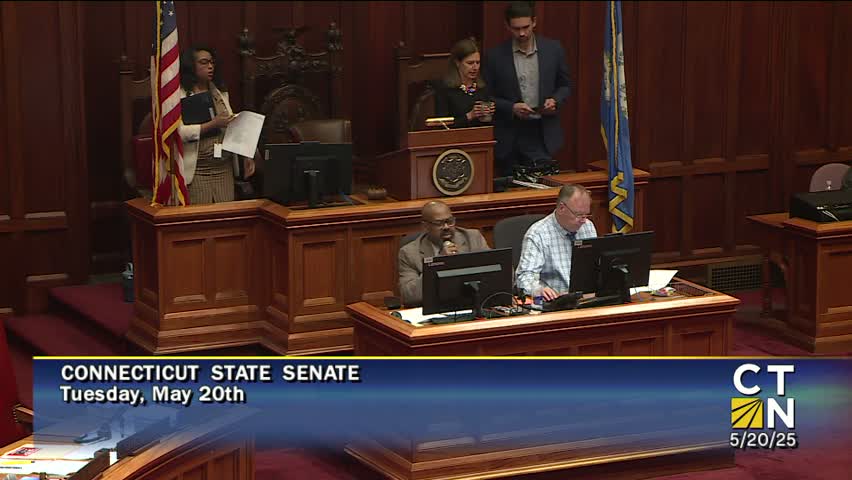
The Senate adopted substitute for Senate Bill 1542 to prohibit law‑enforcement officers from placing handcuffs on children under 14 in most routine encounters, while carving out exceptions for public‑safety exigencies, court orders and when an officer reasonably believes a child is an imminent danger.
Senator Winfield, sponsor of the measure, said the bill primarily protects young children from the trauma of restraint and aligns policy with efforts to reduce early criminalization. He said the bill includes common‑sense exceptions, for instance when a child threatens to use physical force or when handcuffs are necessary to effect an arrest.
Senators asked a series of clarifying questions on enforcement mechanics: what age verification expectations are placed on officers, whether honest mistakes about a child’s age would create penalties, and how the bill interacts with existing arrest authorities. The sponsor replied there are no criminal penalties for honest age‑estimation mistakes in the text; the bill emphasizes officer discretion in good‑faith safety assessments.
Advocates and some members argued the change should reduce harmful early encounters and build better community relations with police. The Senate approved the measure on a roll‑call vote.
The bill will go to the House following transmittal; the statute’s exemptions will be the focus of implementation guidance for law‑enforcement agencies.