Get Full Government Meeting Transcripts, Videos, & Alerts Forever!
Get email alerts on the Environment topic
No spam. Unsubscribe anytime.
Senate passes broad climate, pesticide and resiliency bill including rodenticide restrictions and neonic limits
Summary
SB 9, as amended, passed the Senate after debate. The amendment bundles climate resilience planning, restrictions on anticoagulant rodenticides (professional‑use only with DEEP permit exemptions for agricultural users) and bans or further limits on some neonicotinoid uses, with specified exemptions.
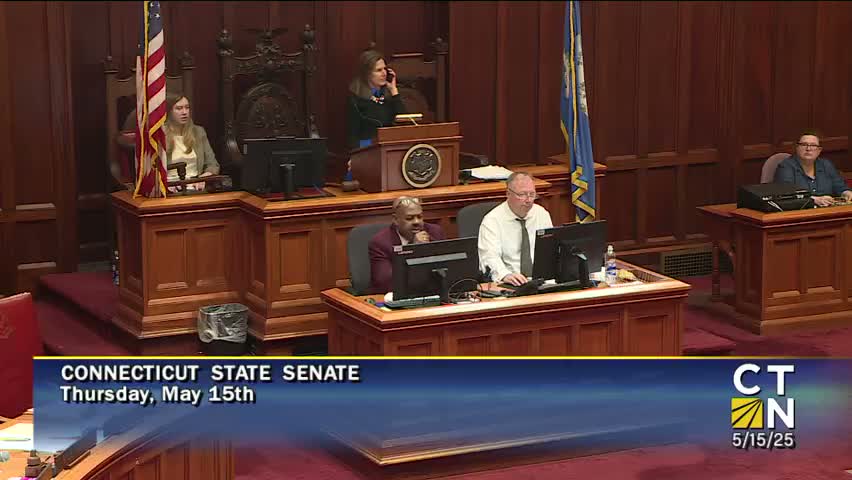
The Connecticut Senate passed SB 9, a multi‑part bill addressing climate resilience, rodenticide and neonicotinoid policy and municipal planning.
Sponsor Senator Lopes said the strike‑all amendment was intended as "a response" to worsening storms and to coordinate planning from municipal to state levels for catastrophic natural emergencies. He described separate sections that make certain anticoagulant rodenticides professional‑use only, while allowing agricultural exemptions through DEEP’s application process; during debate senators referenced a DEEP agricultural permit (an $80 application, valid for five years) that allows farmers and agricultural businesses to apply for an exemption to use restricted products on their own property. Lopes said neonics are already restricted use and the amendment would further limit sale/use on turf with enumerated exemptions for agricultural uses, trees and ornamental shrubbery.
Supporters framed the bill as an important step for resilience and environmental protection; some senators pressed the sponsor on the cost and access implications of requiring professional applicators for rodenticides and on what the DEEP application entails. Senator Hardy and others asked whether the permit process and financial barriers were addressed; proponents said DEEP’s existing permit structure and exemptions were intended to offset costs for agricultural users.
After voice adoption of the amendment and floor debate, the Senate ordered an immediate roll call and passed the bill as amended.