Get Full Government Meeting Transcripts, Videos, & Alerts Forever!
Get email alerts on the Environment Transfer Act Reform topic
No spam. Unsubscribe anytime.
Connecticut Senate approves shift from Transfer Act to release‑based cleanup model
Summary
The Senate passed S.B. 1404 to replace the Transfer Act's prove‑the‑negative approach with a release‑based cleanup model designed to speed remediation and unlock blighted properties for redevelopment; implementation is coordinated with new regulations and a March 26, 2026 target start date.
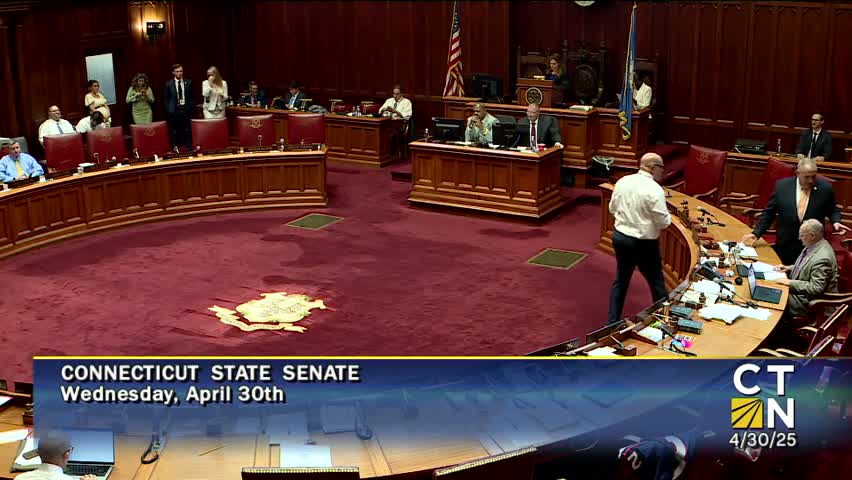
The Connecticut Senate approved S.B. 1404 on April 30, 2025, clearing the way for a statutory transition from the decades‑old Transfer Act to a release‑based hazardous‑cleanup program designed to speed remediation and reduce development barriers. Senator Bethany Hartley, the bill's lead sponsor, said the Transfer Act left thousands of properties in limbo and called the change a critical step for economic redevelopment.
"The Transfer Act was so pervasive that, virtually, I would guess, every member of this chamber has properties in the Transfer Act," Hartley said on the floor, summarizing a multi‑year stakeholder effort involving DEEP, DECD, realtors, bankers and environmental professionals. Under the new approach, regulators will focus cleanup on identified releases rather than requiring owners and buyers to prove a site is entirely free of historical contamination.
Supporters said the revision replaces a costly, uncertain framework that stalled sales and redevelopment of industrial and commercial parcels across the state. Senate proponents pointed to years of working‑group work and to regulatory packages adopted April 22 that will be aligned with the statutory changes so both law and guidance take effect in parallel. Senator Henry Martin and others stressed the economic opportunity from returning more than 2,000 fallow parcels to productive use.
The bill includes a phased implementation schedule and a one‑year lead time for DEEP to prepare guidance and program materials; the department has identified March 2026 as the target date when the release‑based program and associated regulations will begin operating. Senators also noted exemptions requested by Brownfields stakeholders and creation of a voluntary parcel‑wide remediation track intended to reduce fees and speed cleanup timelines.
The Senate passed S.B. 1404 by roll call and ordered immediate transmittal to the House. If the House concurs and the governor signs the measure, municipalities and private developers will work with a new procedural framework intended to make liability and remediation pathways more predictable for brownfield and previously restricted properties.