Get Full Government Meeting Transcripts, Videos, & Alerts Forever!
Get email alerts on the Housing topic
No spam. Unsubscribe anytime.
House debate on sweeping mobile/manufactured‑home park overhaul stretches for hours; sponsors cite tenant protections, critics warn of rent controls
Summary
The House debated and amended a broad bill to increase disclosures, raise the relocation payment to $20,000, require yearly leases, cap ancillary fees, create a DCP oversight board for contested rent increases, and strengthen fire‑safety checks. Supporters said the changes protect vulnerable residents; critics warned the rent‑cap mechanism could chill investment and slow repairs.
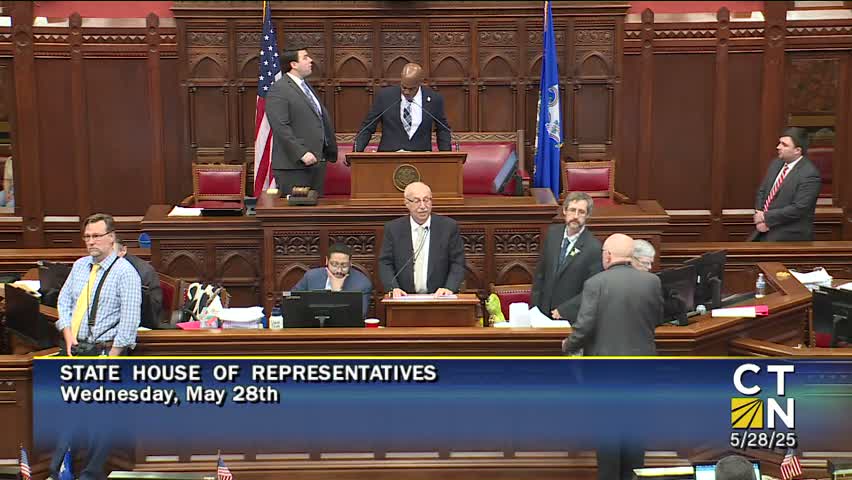
HARTFORD — A lengthy floor debate unfolded around a comprehensive bill intended to strengthen protections for residents of manufactured and mobile home parks. Representative Martinez, sponsor of the proposed law, said the package would improve transparency, emergency preparedness and safety while giving residents more predictable notice and a path to contest excessive increases.
Key provisions in the proposal include: a requirement that park owners list all ancillary fees in writing prior to a rental agreement; raising the statutory relocation fee paid by park owners when parks change use from $10,000 to $20,000; mandating 12‑month leases and extending notice periods in many cases; establishment of a DCP‑based review board to hear applications when park owners request rent increases above a stated consumer‑price index plus a fixed percentage; empowerment of DCP to provide resident rights information and complaint tracking; and an annual requirement that park owners test and report fire‑hydrant flow and capacity to local fire marshals.
The bill sparked extended, at times heated debate. Proponents emphasized that many mobile park residents are older or fixed‑income households with high moving costs, and said caps on fees and expanded notice are necessary: "The relocation fee hasn't been adjusted since 1999," sponsor Martinez said and urged raising it to reflect actual moving costs. Supporters argued stricter disclosure and safety rules fill an enforcement gap and added a review board for contested increases.
Opponents cautioned that the bill's rent‑control‑style structure — allowing automatic increases tied to the consumer price index (CPI) plus two percentage points unless a board approves higher requests — could become an effective cap that discourages maintenance and new investments in parks. Several Republican members and property‑owner representatives warned the combined effect of a CPI+2 automatic increase plus limits on ancillary fees (an aggregate $15 annual cap in the draft) could leave owners unable to fund capital repairs. Representative Weir introduced several amendments (including one later withdrawn) aimed at removing the rent control elements and tightening council conflict‑of‑interest rules; those amendments were debated and some failed.
The bill also addressed safety: it requires annual hydrant flow tests with reporting to local fire marshals, and creates a working group to study disposal and salvage of manufactured homes.
Status: The measure produced multiple floor amendments and a lengthy record of debate; sponsors and opponents agreed on many disclosure and safety provisions but remained sharply divided over rent‑increase mechanisms and ancillary‑fee caps. The exchange represents a notable set of policy tradeoffs between tenant protections and market incentives for park owners.