Get Full Government Meeting Transcripts, Videos, & Alerts Forever!
Get email alerts on the Campaign Finance topic
No spam. Unsubscribe anytime.
House passes bill to update Citizens' Election Program, expand transparency at enforcement commission
Summary
The Connecticut House voted to pass a substitute for Senate Bill 1405 to modernize the Citizens' Election Program, updating contribution levels, increasing transparency of the Elections Enforcement Commission and creating nomination review for executive director appointments.
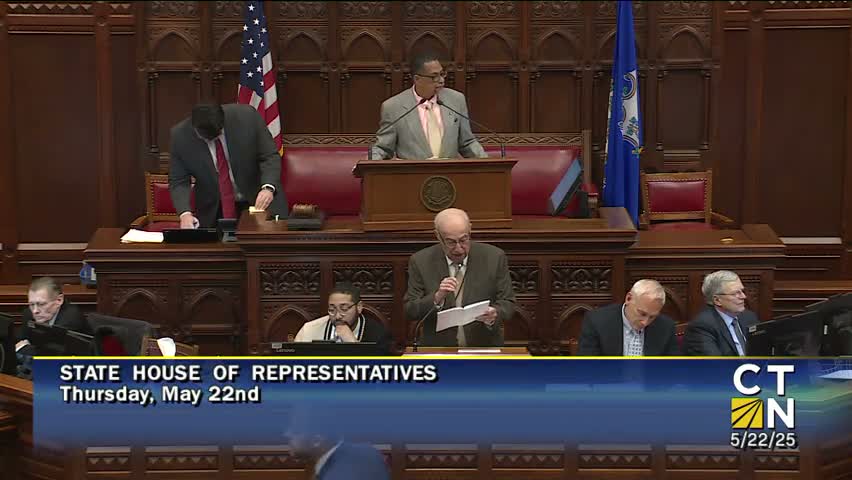
The Connecticut House on May 22 passed a substitute for Senate Bill 1405 aimed at updating the state's Citizens' Election Program to reflect modern campaign practices and strengthen oversight of the Elections Enforcement Commission.
Representative Anthony C. Dayton, the bill's floor proponent, told colleagues the eleven-section bill "modernizes and updates" contribution levels, clarifies disclosure of organizational expenditures and requires the commission to livestream meetings and have a confirmed executive director. Dayton said the reforms will strengthen transparency and preserve the program's goal of reducing dark money.
Members asked about specific provisions during floor debate. Representative Devon Carney sought clarification on whether town committees could share links or images in campaign texts; Dayton answered affirmatively, saying the bill aligns rules to allow a linked or photographed first message. Representative Nuschow pressed about fiscal impacts for the Elections Enforcement Commission and the comptroller; Dayton said the fiscal note anticipates additional costs and that the provisions would be addressed as part of the final budget negotiations.
Opponents and critics raised questions about governance and independence. Representative D'Amico cited public testimony concerned the bill could place SEEK leadership under political control; Dayton said the provision aligns executive director nominations with existing executive nomination processes in state government and does not strip independent decision-making authority.
The House adopted the Senate amendment and passed the bill by roll call. The clerk announced the tally for the passage as: Aye 92, Nay 46, Absent/not voting 13. The measure moves to enrollment and the governor's desk following House concurrence.
The legislation sets adjustment mechanisms that tie contribution thresholds to the consumer price index and adds new transparency and accountability steps for the enforcement commission's operations. Supporters said the changes will preserve fair access to public office; critics asked for continued safeguards for independent oversight.