Get Full Government Meeting Transcripts, Videos, & Alerts Forever!
Get email alerts on the Waste Management topic
No spam. Unsubscribe anytime.
House approves manufacturer-run battery recycling program to curb fires and reduce municipal costs
Summary
Lawmakers passed HB 5019 creating a manufacturer-led stewardship program for consumer batteries; manufacturers will absorb program fees and provide free collection points at retailers and transfer stations. The bill passed unanimously after amendment (147–0).
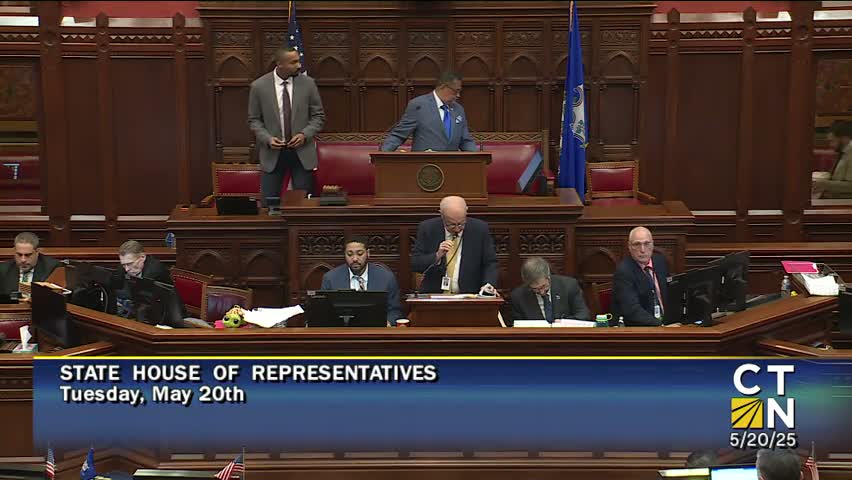
The Connecticut House unanimously approved HB 5019 on Tuesday, establishing an extended producer responsibility (EPR) stewardship program for consumer batteries.
Representative Joe Gresco, the bill’s proponent, said manufacturers have agreed to absorb the eco-fee and operate a stewardship group that will organize collection and recycling. "We envision manufacturers absorbing the cost so municipalities won't pay for proper disposal," he said. The stewardship model would integrate retailer drop-offs, municipal receptacles and existing collection options so disposal is free and convenient for consumers.
Members asked practical questions about how the program will operate: whether retailers or municipal staff must transfer collections and how full receptacles will be handled. Proponents said stewardship plans will include pickup logistics and that retailers and municipalities will not incur disposal costs once the program is in place. Representative Callahan asked whether small hardware stores would have a pickup option or call-in service; proponents said the stewardship group will manage pickups and receptacles in the network.
Legislators also raised concerns from scrap-metal dealers about including batteries from e-bikes and electric lawn mowers; the amendment accommodates those stakeholders and gives them an option to propose a stewardship plan. The bill’s supporters said the measure addresses documented fires at material-recovery facilities and municipal solid-waste vehicles caused by batteries entering the waste stream.
The House passed HB 5019, as amended, by roll call 147–0. The amendment clarified the stewardship group’s role, accommodated scrap-metal businesses, and confirmed that manufacturers will be the primary coordinators of the program.
What’s next: The stewardship group will write an implementation plan and coordinate collection locations. Municipalities should expect access to free receptacles and manufacturer-funded pickups once the program is operational.