Get Full Government Meeting Transcripts, Videos, & Alerts Forever!
Get email alerts on the Consumer Protection topic
No spam. Unsubscribe anytime.
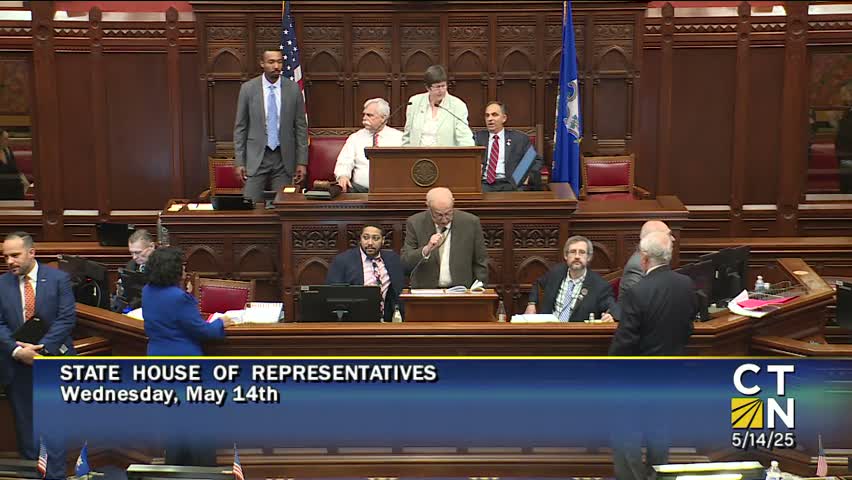
House adopts ticketing reforms to curb deceptive resale sites and surprise fees
Summary
A strike‑all amendment combined ticketing bills to require clearer resale disclosures, ban deceptive look‑alike domain names, enforce all‑in pricing, and require refunds for canceled events; members said the changes protect consumers from fraudulent and confusing ticket sales.
The House adopted a strike‑all amendment combining multiple ticketing consumer‑protection proposals and passed the consolidated bill (HB 7182). Representative Turco, chairing the discussion, said the amendment addresses three main areas: mandatory disclosures for resale listings, prohibitions on deceptive domain names that mimic venues or events, and enforcement of all‑in pricing (so the price shown initially matches the final total including fees). The amendment also requires timely refunds, including refunded fees, for canceled events.
Proponents emphasized consumer protection and transparency. Representative Rutigliano commended the committee for adding explicit remedies and pathways when resold tickets are speculative or never delivered. Representative Jensen asked whether resellers must disclose whether they actually possess the ticket; the sponsor confirmed resale identification and resale status disclosures are required under the amendment.
Procedural outcome: House Amendment (LCO 8398) was adopted by voice and HB 7182 passed the House unanimously (roll call recorded as 147–0 with 4 absent). The bill directs clearer labeling on resale platforms, bans deceptive resale domains, and requires full refunds for canceled events.
Ending: Supporters called the measure a practical consumer‑protection fix to protect patrons from fraud and surprise charges; the bill now proceeds for enrollment and further consideration.