Get Full Government Meeting Transcripts, Videos, & Alerts Forever!
Get email alerts on the Nonprofits Compensation topic
No spam. Unsubscribe anytime.
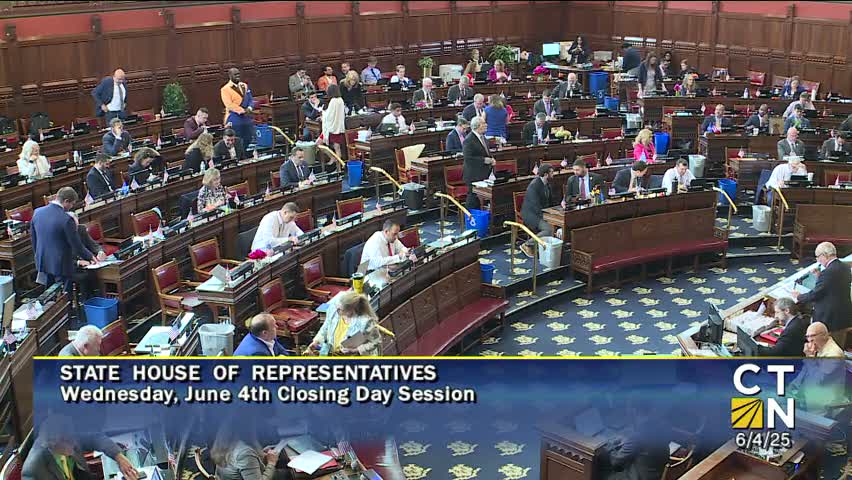
Connecticut House passes plan to link nonprofit contract rates to CPI; funding, timing remain contested
Summary
The House approved a bill to establish a process indexing state human‑service contract rates to the CPI‑U beginning in mid‑2027, creating a formal mechanism to measure and request inflationary increases. Lawmakers sharply debated funding guarantees, timing, and whether the statute binds future budgets.
The Connecticut House passed legislation on Wednesday to create a formal, annual process for adjusting state contract rates paid to nonprofit human‑service providers by the percentage change in the consumer price index (CPI‑U), a move supporters said will bring transparency to how the state budgets for long‑term providers and critics said could promise raises without the money to pay for them.
Representative Jamal Gilchrist, the bill’s lead proponent in the House, said the measure sets up a predictable process so agencies and the legislature can better estimate future costs. “This would establish this process,” Gilchrist said on the floor. “It is a shall.”
The bill requires state agencies that contract with nonprofit providers to calculate CPI‑based adjustments and include those figures in budget requests. The statute begins the indexed process on July 1, 2027, and specifies that if the CPI falls the prior rate is retained rather than reduced. Supporters framed the bill as a way to ensure nonprofit contracts do not “fall behind” inflation and to give agencies and lawmakers better data when budgeting.
Opponents warned the measure could be interpreted as a promise to increase funding without identifying new revenues. Representative Case, who pressed the bill’s sponsor, argued repeatedly that the state lacks a permanent funding source to guarantee those increases, saying “If we say we have the monies that are going to the nonprofits already, why isn’t it earmarked?”
Several lawmakers pushed for an earlier start date and for language that would more clearly bind future budgets; proponents resisted, saying the bill creates a transparent process but cannot force automatic appropriations. Representative Gilchrist repeatedly stressed the distinction: the bill codifies a process to calculate increases and include them in budget proposals, but the governor and legislature retain authority to fund those increases.
The bill also includes a provision that prevents automatic decreases if the CPI falls, an element supporters said is intended to protect providers whose costs do not decline. Some fiscal conservatives called that one‑way adjustment fiscally risky.
What happens next: The House transmitted the package to the Senate for concurrence. Even supporters acknowledge final funding decisions will remain part of the biennial budget process; advocates said passage creates the information framework needed to make funding decisions more transparent in future years.
Speakers quoted (from House proceedings): “ I do believe it is a shall.” — Representative J. Gilchrist
The bill’s status: Passed the House as amended; transmitted to the Senate.