Get Full Government Meeting Transcripts, Videos, & Alerts Forever!
Get email alerts on the Transportation Policy topic
No spam. Unsubscribe anytime.
AARP and local providers warn Wyoming transportation funding is maxed; task force asks YDOT for grant data
Summary
AARP Wyoming told the task force that federal rural transit (5311) and older‑adult funds (5310, Title 3b) are constrained, local providers face heavy matching/reporting burdens, and models like self‑directed waiver options and regionalization merit further exploration; the task force requested YDOT provide grantee and unused‑funds data.
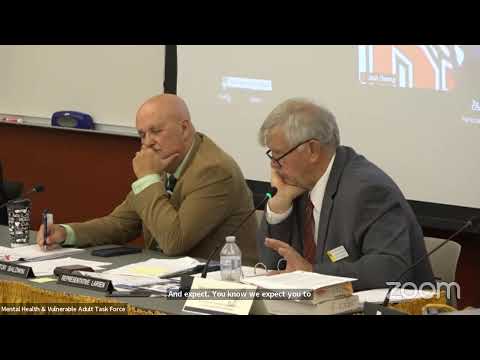
AARP Wyoming and local senior‑service providers briefed the Mental Health & Vulnerable Adult Task Force on Aug. 1 about transportation gaps that limit access to medical care and other essential services for vulnerable adults.
Tom Laycock of AARP said Wyoming is aging rapidly and that rural residents commonly travel long distances for specialty care; he described transportation as "a big part of aging in the community." Laycock and invited providers outlined the main federal/state funding buckets: 5310 (older adults and people with disabilities), 5311 (rural public transit), Title 3b (Older Americans Act programs administered by the Department of Health) and Medicaid transportation options (state plan and waiver arrangements).
Local operators told the task force that 5311 funding is effectively at capacity. "We are maxed out, on that funding," Laycock said, and providers described significant local match requirements (YDOT match rules and a 43.44% operating match figure were cited) and heavy federal reporting that discourages small providers from applying. Linda Cockett (Goshen County Senior Friendship Center) said administrative burdens and match thresholds make participation difficult for small centers.
Presenters highlighted practical tools and options: volunteer driver mileage reimbursement (a figure of $0.36 per mile was mentioned for volunteer drivers under some programs), bundling transportation with other waiver services and pursuing self‑directed care changes to the Community Choices Waiver that would allow friends or neighbors to be paid for rides. The Department of Health representatives said they are exploring waiver changes and a rate study to improve reimbursement.
The task force requested staff follow up with YDOT and the YTrans board for a summary of current grantees, amounts awarded, and any unspent funds or grant rejections attributable to match/reporting barriers. Chair Larson asked agencies to return with options for volunteer reimbursement and possible state assistance to help communities access 5311/5310 funding.
Quote: "There are matching requirements that are a huge barrier for small providers," Linda Cockett said. "A lot of senior centers are looking at whether it is truly worth it to apply."