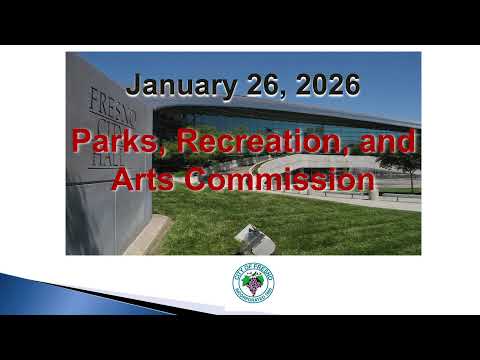
Fresno panel reviews athletic-facility policy as local soccer leagues press for restored park access
Loading...
Summary
The Parks, Recreation and Arts Commission heard staff explain the city''s athletic facility reservation policy and its corrective-action procedures, while several Hispanic and amateur soccer leaders urged fair treatment after suspensions and asked for clearer appeal and enforcement procedures.
Christy McIsaac, representing the city''s parks department, presented the city''s first formal athletic facility reservation policy at the Parks, Recreation and Arts Commission meeting, outlining how Measure P and the parks master plan guide access, reservations and use of athletic facilities. The policy, effective March 11, 2024, distinguishes occasional reservations (informal, same-day or short-term individual use) from advanced reservations (leagues, tournaments, recurring practices) and sets application, insurance and scoring rules for allocation.
McIsaac told the commission that as of Dec. 2025 the department had scored 420 advance applications from 183 organizations, accommodated about 61% of requests and approved 17% with modifications. Staff said demand rose sharply since July (a 71% increase in submissions) and that scoring gives priority to youth and senior recreation, resident-serving programs and benefits to surrounding neighborhoods. Advanced reservations require insurance and may be booked quarterly, while grass fields are reservable Thursdays through Sundays to preserve turf.
That presentation prompted extended public comment from leaders of local soccer organizations alleging inconsistent enforcement and indefinite suspensions that have left teams without park access. Oscar Campos, who identified himself as representing Fresno Hispanic soccer organizations, said his group was suspended after incidents at JSK Park and later indefinitely barred from all city parks. "We''re asking for fairness, consistency, and a clear path forward," Campos said, asking for a defined corrective plan and reinstatement process so grassroots organizations can continue serving the community.
Parks staff described the corrective-action sequence: an initial written warning followed by a "meet and suspend" process in which the director or designee reviews evidence and outlines restrictions. Staff said evidence can include community-submitted video, park ranger and staff reports, and police reports when available. McIsaac said the director ultimately approves suspensions and that suspensions vary by offense; staff said a typical suspension length used in recent cases has often been about six months but depends on severity.
Commissioners pressed staff on appeals and transparency. Commissioner Barraza cited Fresno Municipal Code section 509, which allows interested persons to appeal decisions to the city manager, and asked whether soccer organizations had been informed of that option. The city attorney said the current written reservation policy vests final appeal authority with the director; staff said they would follow up and clarified that community meetings and further outreach are planned.
Staff also addressed operational constraints cited by commenters: lack of lighting and the department''s practice of leaving fields offline early in the week so turf can rest were named as limiting factors in accommodating requests. Parks staff noted plans to add lighting to new and retrofitted parks and said the Southeast Fresno Regional Park, scheduled for completion in summer 2026, will add capacity. The department also reported temporary camera installations in some parks focused mainly on protecting vehicles and assets rather than continuous field surveillance.
Next steps: staff said they will collect community feedback, hold a follow-up athletic-facility community meeting within about 30 days, and continue to refine the policy and its implementation. Commissioners asked staff to document appeal routes and to ensure leagues are notified about available appeal processes.