
Perryton ISD board votes unanimously to reject resolution tied to Senate Bill 11
Get AI-powered insights, summaries, and transcripts
Subscribe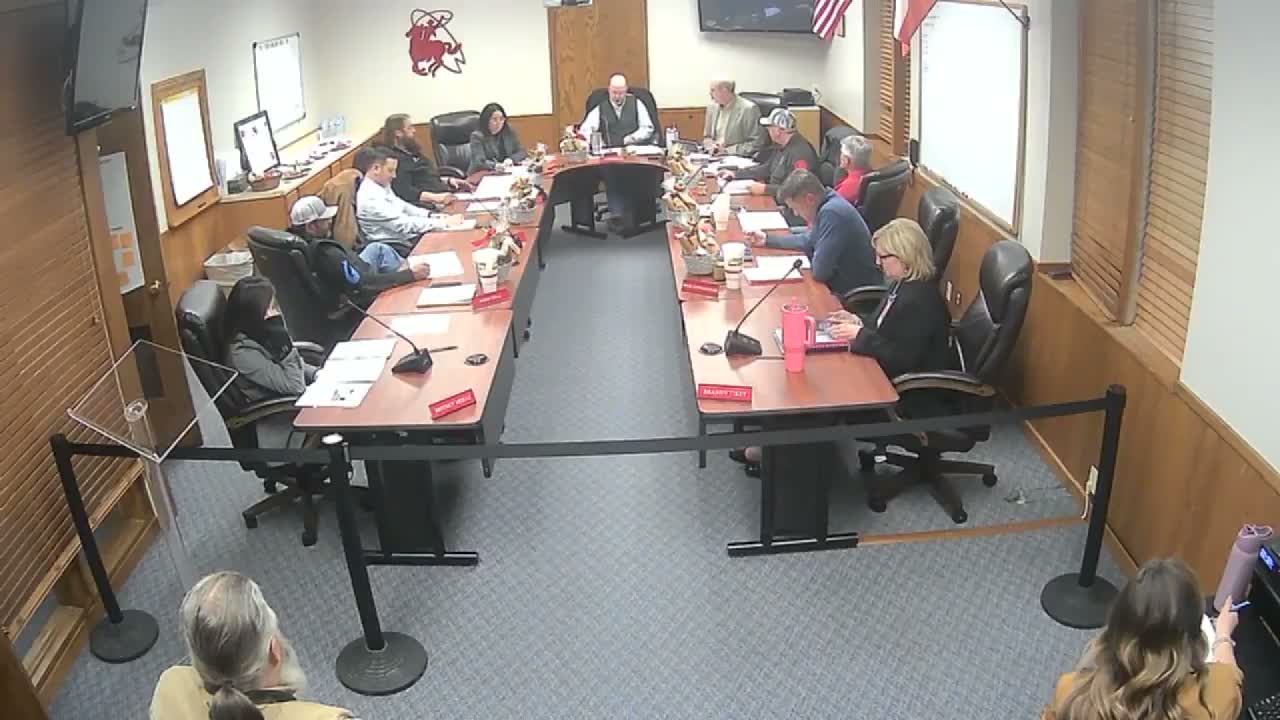
Summary
Perryton ISD's board voted 0-7 to decline adoption of a statutory resolution related to Senate Bill 11, saying the bill's required procedures for student religious expression are overly prescriptive and could restrict existing voluntary activities.
PERRYTON ' The Perryton ISD Board of Trustees voted 0-7 to decline adoption of the statutory resolution tied to Senate Bill 11 after a detailed discussion about the bill's requirements.
Speaker 3, a Perryton ISD board member, told the board the bill imposes strict conditions on student religious expression, including that activities cannot occur during instruction, must be before school or in designated locations, require consent from participants and monitoring by administrators, and that revoked consent would bar a return without renewed permission. "It's an all or nothing bill," Speaker 3 said, arguing the district already allows voluntary student religious activity and that the state's prescribed policy would in some cases make current practices impermissible.
Speaker 1, a Perryton ISD board member, read provisions from the bill and noted additional constraints such as limits on using a public address system for prayer or scripture reading and rules intended to prevent nonparticipants from being affected. "If we approve this resolution as presented, we are then required to follow everything that they have in here and it will not receive my vote," Speaker 1 said during debate.
The board's decision was procedural: under the statute the board must take a recorded vote on whether to adopt a model resolution by a March 1 deadline. Board discussion emphasized local control and concerns that the state-prescribed policy would be more restrictive than current local practice. The motion to approve the resolution was made and seconded and failed on the board floor with a vote count of 0 in favor and 7 opposed.
Board members said the rejection was not a statement against faith-based activities; rather, they framed the vote as preserving local control and existing, less-restrictive arrangements that already permit voluntary student religious expression in district schools.
Next steps: the board took no further action to adopt the model resolution at this meeting; the item concluded with the recorded vote and the board continued with its agenda.