House subcommittee opens hearing on Next Generation 9-1-1, wireless alert upgrades
Get AI-powered insights, summaries, and transcripts
SubscribeSummary
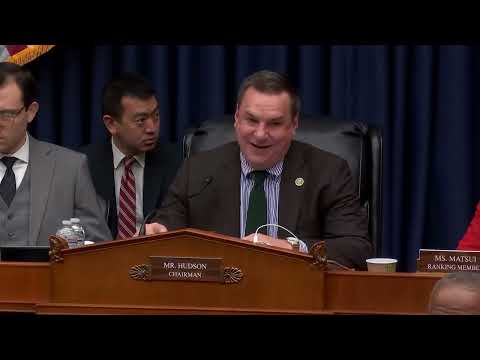
A House Energy and Commerce subcommittee hearing opened with the chair outlining legislation including the Next Generation 9-1-1 Act to create an NTIA grant program, a national NG9-1-1 cybersecurity center, and bills to improve Wireless Emergency Alerts and outage reporting.
A House Energy and Commerce subcommittee convened to consider bipartisan bills aimed at upgrading public safety communications, the chair said at the start of the hearing. The chair described the Next Generation 9-1-1 Act, co-introduced with Representative Carter of Louisiana, as central to the package.
"This legislation would establish a grant program at the National Telecommunications and Information Administration or NTIA for next generation 9 11 technology," the chair said, adding that the bill would "also establish a nationwide next generation 9 1 1 cybersecurity center and a next generation 9 1 1 advisory board." The chair said upgrading call centers to NG9-1-1 is an Internet Protocol-based transition that will "open the door for advanced tools for both the public and our first responders to use."
The chair argued that nationwide deployment is necessary because "a patchwork of call centers that still have aging outdated legacy systems risks a communication landscape that is uneven and noninteroperable." He framed the hearing as a follow-up to a September session that examined the overall state of public safety communications and said Congress must consider legislative steps to accelerate modernization.
Beyond NG9-1-1, the chair highlighted bills to improve Wireless Emergency Alerts (WEAs). He said wireless alerts to mobile phones are powerful tools to quickly warn the public of dangerous weather, threats to public safety, national emergencies and other urgent matters. He also asked the panel to consider new technologies, noting that as mobile carriers deploy satellite-directed device connections, "it's worth exploring how this technology can be used as another tool for public safety communications, when communications, when outside of terrestrial cell service network."
The chair closed his opening by emphasizing support for first responders: "Our public safety and law enforcement officers put their lives on the line every day to help us in our times of need, and we must make sure that they have the best tools at their disposal to do their jobs." He then recognized the ranking member, identified in the transcript as the gentlelady from California, for her opening remarks. The hearing proceeded to witness testimony and further debate on the bills.
Next steps: the subcommittee will hear from witnesses about the legislative proposals and related technical and implementation issues; no votes or formal motions were recorded in the provided transcript excerpt.