Guam Legislature advances bill to bar source-of-income housing discrimination
Loading...
Summary
The Legislature advanced Bill 29-38 to the third reading after lawmakers unanimously approved floor amendments that add retirement and pension income to the definition of protected "source of income" and designate GURA for administrative enforcement; sponsors said the change aims to expand housing access for voucher holders, veterans and people with disabilities.
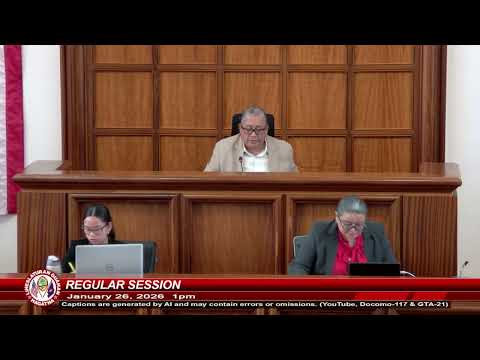
Senators on the Guam Legislature moved Bill 29-38 to third reading after a floor debate that centered on expanding protections against housing discrimination based on how renters pay their rent.
Sponsor Senator Perez described the measure as intended “to adopt prohibitions against housing discrimination on the basis of source of income” and said the amended bill adds pensions and retirement income to the definition of source of income and creates administrative enforcement through GURA. The bill would forbid refusing to rent or lease, misrepresenting availability, or publishing advertisements that discriminate because of a person’s lawful source of income.
Supporters stressed the local context. Multiple senators cited the committee’s findings that Guam manages 2,718 authorized housing vouchers with a 97% lease rate and that nearly three-quarters of needed housing units serve households below HUD income thresholds. “This bill makes clear that landlords may not refuse to rent, advertise exclusions like ‘no Section 8,’ or misrepresent availability based on a tenant’s lawful income,” a backer said on the floor.
Lawmakers pressed the sponsor on enforcement and federal overlap. Several members asked whether the Fair Housing Act preempts local action; the sponsor and committee members responded that federal law is silent on source-of-income protections and that states and localities commonly adopt such laws to fill gaps. Committee testimony from GURA’s deputy (Estevez) and the Attorney General’s office (Miller) was cited during the exchange; the sponsor said the administrative route through GURA is intended to make enforcement more accessible than costly litigation.
The committee added a floor amendment to require access to multiple-listing information (not membership) so voucher holders can see available units. The bill proposes fines for violations (the committee reported $2,000 for a first offense and $2,500 for subsequent offenses, subject to court determination) and authorizes GURA to promulgate rules, conduct investigations, and enforce the act once funded.
The presiding officer announced there was no objection to placing the bill, as amended, onto the third reading file. The bill will next appear on the Legislature’s third-reading calendar.