Get Full Government Meeting Transcripts, Videos, & Alerts Forever!
Get email alerts on the Veterans Education topic
No spam. Unsubscribe anytime.
Guam Legislature advances veterans tuition-waiver bill after debate over funding and eligibility
Summary
Lawmakers advanced Bill 202-38 COR, proposing tuition exemptions for qualifying veterans, spouses and dependents, to third reading after floor amendments clarified eligibility language; debate focused on dependency rules, potential conflicts of interest and a BBMR/UOG fiscal estimate of about $1.2 million.
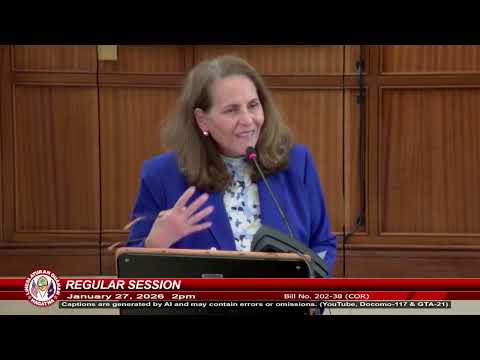
Senators moved Bill 202-38 COR, a measure to extend tuition exemptions at public higher-education institutions to qualifying veterans and their dependents, to the third reading file after adopting an amendment to simplify and clarify eligibility language.
The amendment, offered from the floor and described by the sponsor as a clarification of sections 56103(a)(1) and related subsections, combines two items into one provision so that "qualifying veterans and their dependent spouse and children may be included if significant institutional capacity exists as determined by the commission on post secondary education through rulemaking," according to the author on the floor. The amendment was adopted after no objection.
Supporters argued the program would mirror similar state policies such as Texas’s Hazelwood Act and Washington’s community-college waivers, and could help veterans transition to civilian careers and bolster the local workforce. "This bill as amended supports our veterans while ensuring that UOG and GCC maintains the resources that they need to support their operations," a floor supporter said.
Opponents and some colleagues pressed the Legislature for fiscal clarity. One senator warned the bill is an "unfunded mandate," citing a BBMR/UOG estimate of roughly $1,200,000 in tuition waivers and noting media reports that the University of Guam’s president was "contemplating" a tuition increase of about 5 percent. That senator said, "we're going to have to fund that," and urged the body to consider the cost to non-veteran students.
The bill’s author said initial conversations with UOG indicated the institutions could absorb costs by relying on veterans’ federal benefits first and monitoring usage, but acknowledged that testimony at the public hearing suggested a larger fiscal impact. Office of Finance and Budget leadership confirmed the bill carries a fiscal note and said if institutions later demonstrate they cannot absorb costs they may request appropriations through OFB/BBMR.
Floor questions also focused on who counts as a dependent for the purpose of the waiver. The author said eligibility would generally "depend on whether or not that parent claims his child as their dependent," and acknowledged federal DEERS and GI Bill rules are relevant to determining dependent status.
A point of order questioned whether removal of a previous clause guaranteeing no general-fund appropriation left the bill unfunded; the presiding officer, after consultation with oversight chairs, ruled the bill could proceed. The sponsor moved to place the bill on the third reading file and the motion passed.
Next steps: Bill 202-38 COR has been placed into the third reading file and may return for a final vote in a future session; lawmakers requested continued fiscal monitoring and reporting by institutions if the program is implemented.