Get Full Government Meeting Transcripts, Videos, & Alerts Forever!
Get email alerts on the Signage topic
No spam. Unsubscribe anytime.
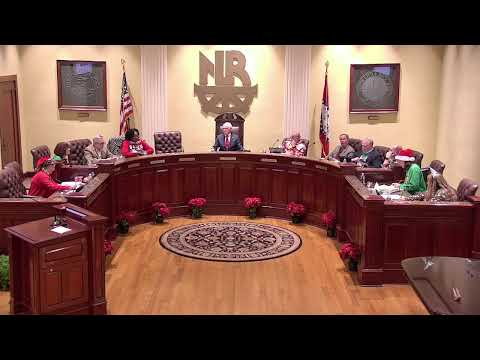
Council approves Main Street sign-overlay district with 14-day limit on electronic changes
Summary
After extended debate and a public hearing, the North Little Rock City Council approved a Main Street sign-overlay district that allows an electronic changeable-copy sign for a church but restricts content changes to no more often than every 14 days and requires a monument-style sign.
The North Little Rock City Council voted to approve an amendment to the city sign code establishing a Main Street sign-overlay district and granting a conditional changeable-copy sign to an applicant on 20th Street, after adding a limitation that any electronic copy may be changed no more than once every 14 days and must be presented as a monument-style sign.
Council members and members of the public debated aesthetics, precedent and equity during a lengthy public hearing and discussion. The applicant, a church representative, described the existing manually changed marquee and said the proposed monument electronic sign would be used sparingly and could be adjusted for brightness and content restrictions; the applicant told the council, “2 weeks would be fine with us.”
Opponents and some council members argued that approving one electronic sign could set a precedent and lead to more electronic signs that would change the character of the corridor. “If we pass that, we might as well just do away with all sign districts,” one council member warned. Supporters and planning staff said the proposed overlay is limited in scope to a single block and drafted to avoid creating a broad exception to the electronic changeable-copy (ECC) ordinance.
Council member discussion produced an amendment requiring a monument sign (reducing visual bulk and emphasizing permanence) and the 14-day static-change limit on electronic copy. Several members said the council could revisit standards if future issues arise; one council member noted the city had previously approved an electronic sign at a government facility and that government-owned signage is treated differently.
The amendment was seconded and the main motion to adopt the ordinance as amended carried in a roll call vote. The ordinance was adopted as an emergency measure following the vote.
The council did not record any public opposition during the hearing, and staff said the applicant agreed to proposed limits on brightness, timing and content. The council sign code amendment will take effect according to the city's usual implementation process for emergency ordinances and the applicant may proceed with design and permitting under the new overlay.