
Jordan School District outlines broad mental‑health supports, reports thousands of referrals and tens of thousands of wellness‑room visits
Get AI-powered insights, summaries, and transcripts
Subscribe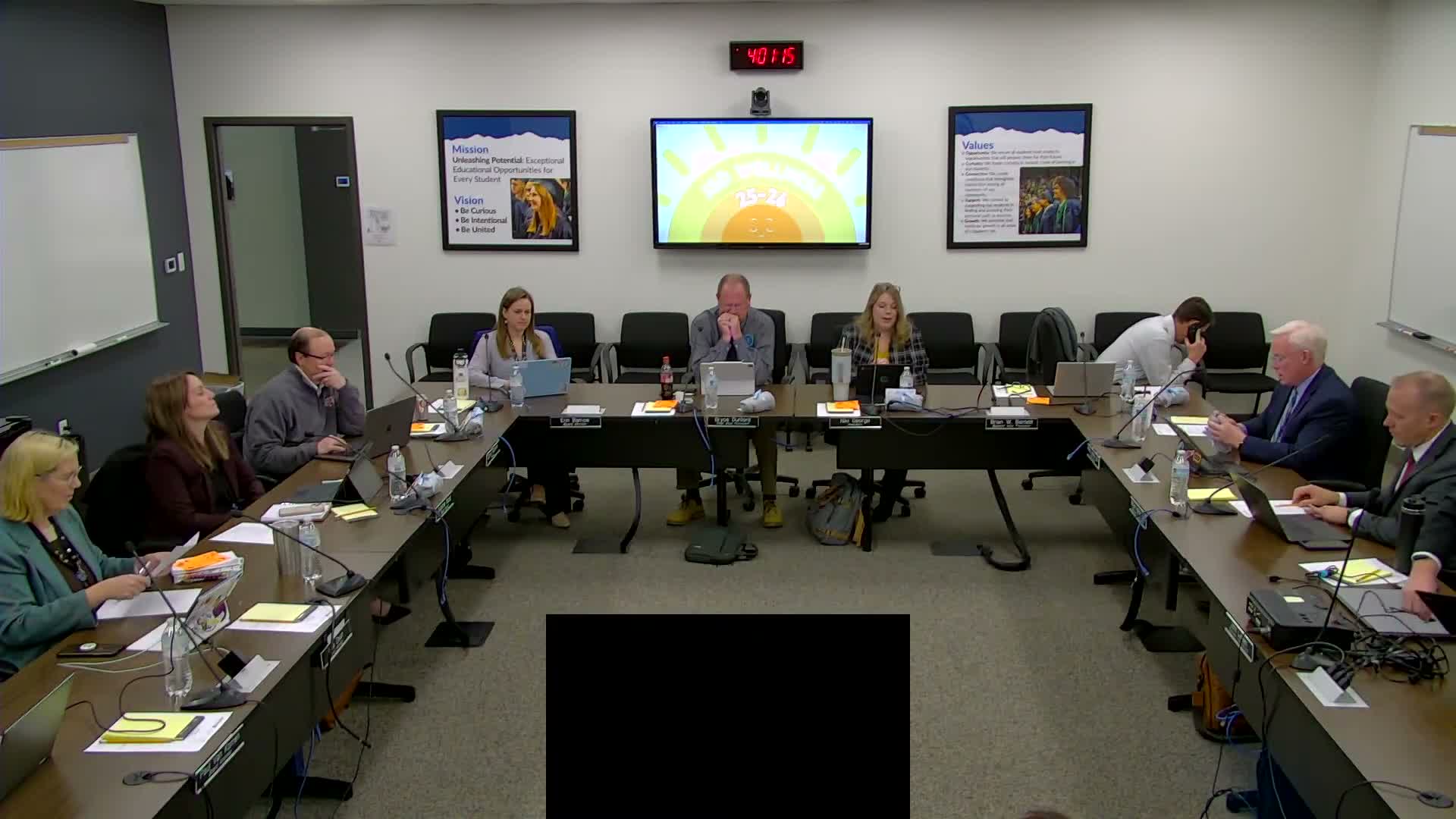
Summary
District health staff told the school board the Jordan Family Education Center, school‑based therapists and outside partners have driven 3,206 MAP referrals since 2019, while SafeUT and Bark alerts and wellness‑room usage have prompted hundreds of school interventions this year.
The Jordan School District Board of Education heard a detailed Student and Employee Health and Wellness update on Jan. 26–27, during which district clinicians described how prevention tools and school‑based services detect and respond to students in crisis.
Dr. McKinley Withers, the district’s wellness lead, said the district combines school psychologists, counselors and 21 school‑based therapists with digital monitoring and a referral program to reduce barriers to care. “We started the Mental Health Access Program in 2019,” Withers said, and “3,206 referrals have been made to partnered mental‑health providers,” a figure staff attributed to the program’s intake and matching work.
Why it matters: board members pressed staff on oversight, parental consent and outcomes as some constituents question the scope of district‑provided services. Staff repeatedly said school‑based therapy is provided with parent permission and is intended to fill gaps that prevent a student from accessing learning.
District staff described two monitoring tools used alongside school teams. Bark content‑monitoring on school devices generated 2,669 severe alerts this school year, and SafeUT produced about 1,053 school alerts (August–January) that triggered triage and, when needed, intervention. “We know without a doubt that both SafeUT and Bark have literally saved lives in our school district,” an administrator told the board.
Staff highlighted additional measures of use and impact: wellness rooms have logged 23,236 brief visits intended as short self‑regulation checks, and parent and student feedback on school‑based mental‑health therapy shows roughly 94% agree the service was helpful to school success. District leaders said schools also use Panorama surveys and an early‑warning system to identify students in need of follow‑up.
Employee supports and Wellness Day: the update also covered staff wellbeing efforts — adjustments to leave policy (including added maternity/paternity leave), professional‑development offerings such as mindfulness courses and a district Wellness Day that partners with local businesses. The board asked staff to make Wellness Day materials and the student stress‑busters curriculum easy for parents and employees to find; staff said they will upload slide decks and public materials and expand school‑level communications.
Board concerns and next steps: several board members asked how the district ensures services do not supplant parental roles, how wellness rooms are facilitated, and how site‑based decisions (for social‑emotional learning curricula) are followed up and evaluated. Staff said the health and wellness committee meets regularly, that wellness reps are maintained via an email network and in‑person meetings and that follow‑up data and slide materials will be provided to the board.
The presentation concluded with staff offering additional data on program capacity and a commitment to return with proposed language and measures to systematize social‑emotional skill time and to supply the board with the slide deck used during the presentation. The board did not take formal action on the update but directed staff to upload materials and to continue coordinating with parents and principals.