
District report cards show gains in elementary and middle grades; graduation rate 94.4% with gaps remaining
Get AI-powered insights, summaries, and transcripts
Sign Up Free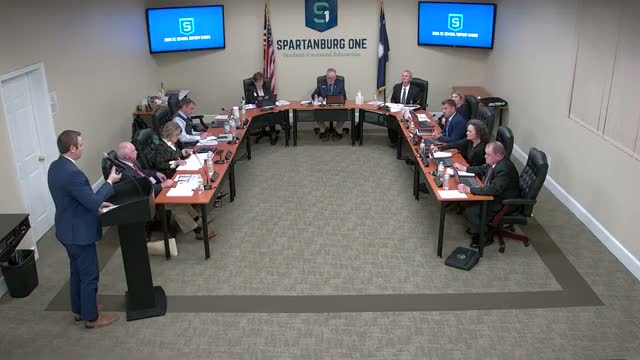
Summary
District officials presented detailed 2025 report-card results showing gains in several grade bands (notably third-grade ELA and multiple middle-school categories), a 94.4% graduation rate and lingering achievement gaps for special education and other subgroups.
District curriculum leaders presented the district's 2025 report-card data and outlined targeted strategies as trustees pressed for clarity on achievement gaps.
"In third grade, we had 68.5%, which was 14.4% higher than last year's 54.1," curriculum lead Josh Loso said as he reviewed SC Ready and EOC results and county/state rankings. He highlighted strong middle-school results and improvements across elementary grades while noting math and some high-school EOC measures require continued focus.
Loso described subgroup progress and gaps: the achievement gap for pupils in poverty fell from 24.21 (2023) to 21.47 (2025) in ELA; gains for multilingual learners reduced gaps in ELA and math; and the district reports approximately 400 multilingual learners and about 740 special-education students. "We have gone child by child, to see if we are moving each child up," Loso said, describing STARS meetings and tiered interventions used to address needs.
The district reported a 94.4% graduation rate, the second-highest in district history, and 87.2% of students earned a career-ready certificate (levels 2'5), 17.8 percentage points above the state average. Loso acknowledged some low percentages on repeated EOC measures are driven by cohort accounting and curriculum shifts; staff said new benchmarks, aligned curriculum guides and intervention cycles aim to continue progress.
Board members asked whether small percentage changes were statistically significant; staff said that while some gains are modest, the district is tracking individual students and using multiple data points to validate trends. Trustees requested ongoing updates tying numerical gains to the district budget and planned interventions.