Get Full Government Meeting Transcripts, Videos, & Alerts Forever!
Get email alerts on the Economic Development topic
No spam. Unsubscribe anytime.
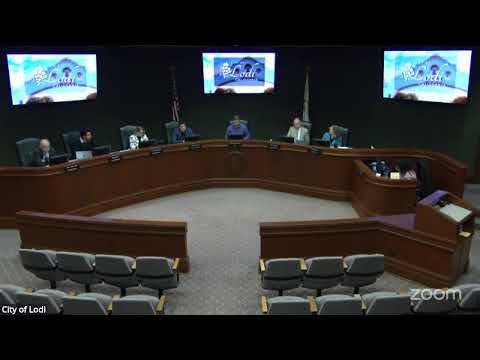
Lodi council gives consent for county‑led winery business improvement district after extensive public comment
Summary
The Lodi City Council voted Nov. 5 to consent to San Joaquin County’s proposed Lodi Winery Business Improvement District, which would assess Type 02 wineries 1.5% of gross direct‑to‑consumer sales to fund collective marketing. Council added language urging county attention to governance representation and scope.
The Lodi City Council on Nov. 5 approved a resolution consenting to San Joaquin County’s proposed Lodi Winery Business Improvement District (LWBID), a five‑year special assessment district that would levy a 1.5% assessment on gross direct‑to‑consumer sales by qualifying wineries within the district.
The district, as presented by consultant Gina Reed of Civitas and winery representatives, would be collected by a third‑party (HDL) and administered by a yet‑to‑be‑formed nonprofit governed by paying wineries. Stewart Spencer, representing the winery group, told the council the petition process exceeded the legal threshold: "the weighted majority was about 70%" in favor, allowing hearings to proceed at the Board of Supervisors.
Why it matters: the assessment is intended to create a stable revenue stream for marketing and business‑support activities, a need speakers repeatedly framed as urgent given soft event and membership revenue. "Anytime you have a crisis...the best spending of dollars would be for marketing," said winery owner Robert Smirley during public comment.
What supporters said: Dozens of winery owners and managers told council the region needs coordinated marketing to compete with other appellations and attract visitors. "We have a huge opportunity as a region to continue to reach out beyond our borders," said Jeremy Trevik, who served on the BID steering committee. Visit Lodi’s leader (Wes Ray) and other tourism advocates described the BID as a mechanism to increase regional competitiveness.
Opposition and clarifications: Some winery operators argued the proposal is poorly timed and could burden consumers. "Doing that while making this destination more expensive feels off," said Erin Taylor, who urged excluding non‑wine sales. Presenters and the committee repeatedly answered technical questions: Stewart/Steuart Spencer said assessment coverage turns on California ABC licensing and how a business files sales tax, not the product mix alone; "if you are a Type 02 winery operating business and you are selling other stuff that is subject to sales tax under that business, then it is taxable," he said.
Council amendments and outcome: Council moved to adopt a consent resolution with two changes requested by council members: clarify the draft language to show the LW BID includes "all wineries existing and in the future located within the boundaries of San Joaquin County and the City of Lodi," and add a final whereas recommending that the San Joaquin County Board of Supervisors address the proposed BID’s governance structure to ensure representation of small, medium and large payors and include a Lodi representative. The motion carried.
Next steps: The county remains the lead jurisdiction for final formation; the final hearing at the Board of Supervisors was stated to be Nov. 18, and the district would begin collecting assessments Jan. 1 if adopted and if there is no majority protest in the weighted petition process.
Authorities referenced in the hearing included the county ordinance process and the state ABC license classifications used to define assessed businesses. The council also requested that the Board of Supervisors consider the governance composition of the BID board during its final hearings.