Grant County judges and prosecutor point to old warrants, court changes as factors in jail overcrowding
Loading...
Summary
Judges and the county prosecutor told the council that a backlog of old warrants and the recent expansion of court capacity are shaping the county jail population; officials said routine warrant review and faster case resolution for inmates in custody are priorities.
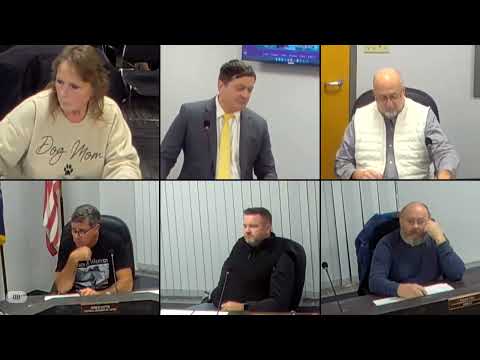
A county judge and Grant County Prosecutor Scott Hunt told the Grant County Council that a backlog of old warrants and recent changes in court capacity are contributing to the county jail's overcrowding and should be addressed systemically.
The judge said the jail committee is "vital" because it gathers stakeholders to develop ideas to combat overcrowding. He described routine review of outstanding warrants with the prosecutor's office and the jail, saying some warrants he has examined are more than 10 years old: "I've looked at some recently that are over 10 years old." He said judges can vacate or reissue warrants that are not timely to avoid unnecessary jail bookings.
Prosecutor Scott Hunt told the council his office has been "going through old cases and those warrants" to determine whether they should remain active and said he would coordinate with the sheriff "to make sure that we're not serving 10 year old warrants." Council members and court officials said the county once had as many as 1,500 outstanding warrants and that number had recently been reported in the 700'800 range, prompting calls for regular warrant audits.
Officials also said increasing court capacity is beginning to change how quickly cases move. The judge noted a recent 12-member criminal jury trial and said the county had 14 trials scheduled in February; the availability of higher-level felony jurisdiction, he said, should help resolve cases for inmates held in the Grant County Jail. At the same time, probation staff warned of a backlog of pre-sentence investigations (PSIs), which can delay dispositions.
Council members and courtroom stakeholders described a mix of short- and long-term actions: continuing warrant reviews and coordination with the sheriff and prosecutor, expanding pretrial alternatives where appropriate, and monitoring whether additional court capacity reduces the number of incarcerated people still awaiting disposition.
The council did not take a formal vote on a new jail policy at the meeting but discussed scheduling a jail committee work session to examine updated data and solicit broader input.