
Oversight committee reviews Measure Y finances, flags $1.5M sales-tax decline and midyear deficit
Get AI-powered insights, summaries, and transcripts
Subscribe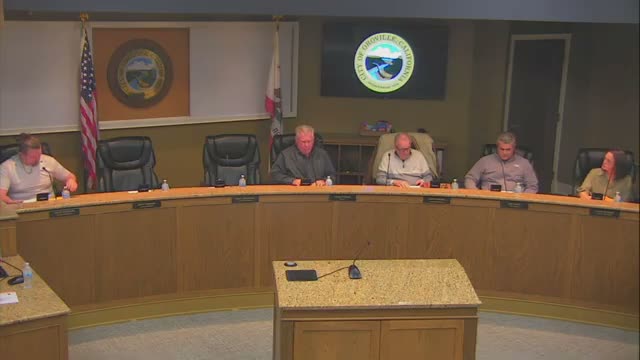
Summary
The Oregon citizens oversight committee heard a fiscal report showing Measure Y revenues down roughly $1.5 million versus prior highs, six-month spending of about $3.4 million against a $9.4 million annual budget, and ongoing costs tied to the Cal Fire personnel contract.
The Oregon citizens oversight committee met Jan. 27 and received a midyear financial briefing from Ruth, the committee’s finance officer, who said the city’s Measure Y sales-tax revenue is trending below previous levels.
Ruth told the committee the fund’s annual expected Measure Y revenue is $6,500,000 and that, because July and August receipts are accrued to the prior year, only four months of revenue appear in the current-year report. She said sales-tax receipts have declined over two to three years and that the city is about $1,500,000 below prior peak levels. “So we have an annual expected budget of $6,500,000,” Ruth said.
Ruth reviewed expenditures: the Measure Y fund was budgeted for $9,400,000 in total annual expenditures, with roughly $3,400,000 spent in the first half of the year. Department spending rates varied—code enforcement and police were each at about 53% of budget, streets at 69%, public works at about 28% and parks at about 43%—and the fund was intentionally budgeted to draw down an existing beginning balance of about $4.3 million, leaving an ending fund balance of roughly $3.4 million.
Committee members pressed for context on the revenue decline. Ruth and others said a spike in past revenues followed recovery and rebuilding activity after major regional fires; sales-tax growth has since slowed and analysts project three to five years before the city returns to prior revenue levels. “I looked at the projections… it looked like three to five years before we even get our $1,550,000 back,” Ruth said.
The committee also discussed fire-related costs. Ruth and the meeting facilitator clarified that the city is funding two different pieces of apparatus: a fire engine (pumper) at about $1.2 million and a ladder truck priced around $3,000,000. Ruth said the ladder-truck purchase is funded through Community Development Block Grant (CDBG) reimbursement; the city fronted the expense and was later reimbursed by CDBG. Ruth said the Cal Fire personnel contract accounts for over $6,000,000 annually for personnel and related services, with dispatching and mechanic services included in that number.
Ruth said some capital timing creates apparent imbalances—purchases in a given year can show as prepaid assets until delivery—and that the city has been intentionally drawing down fund balance in order to finance planned capital projects. The finance officer said staff and consultants provide quarterly reports on top revenue sources and that more detailed consultant data can be shared with the committee when allowable.
The meeting closed after the budget review; an adjournment motion was made but no formal vote is recorded in the transcript.
What’s next: staff offered to provide additional consultant summaries on revenue trends and to answer follow-up questions by email.