
Students lead youth wellness pilot at OnTrack Academy; organizers cite grant support
Get AI-powered insights, summaries, and transcripts
Sign Up Free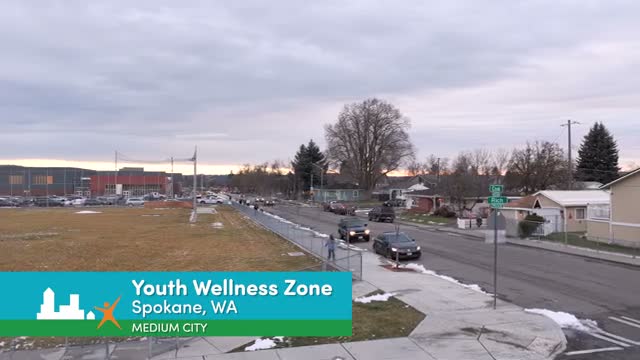
Summary
Organizers said a student-designed 'youth wellness zone' launched at OnTrack Academy in Northeast Spokane to address anxiety and economic insecurity; students used a 500-response survey to shape programs including food distributions, a planted forest and suicide-prevention outreach. Grant amount not specified.
Speaker 1, a community presenter, said young people in Spokane face “a lot of anxiety” and that economic insecurity is an underlying factor, and described a student-centered pilot called a "youth wellness zone" launched at OnTrack Academy in Northeast Spokane.
The program puts students in the lead on defining and creating wellness coursework, Speaker 1 said, with adults supporting the process. "They actually create the course as we go," Speaker 1 said, describing a classroom model that adapts to students' stated needs.
Speaker 2, another presenter, said organizers surveyed 500 young people asking "literally, what does wellness mean to you?" He said the students' answers inform the initiative’s advocacy and practical actions in the community. "Those answers are the advocacy that they are standing up for in our community," Speaker 2 said.
Students have translated survey results into on-the-ground activities, organizers said. Speaker 2 described weekly food distributions open to the community, a student-planted forest on school property and class tie-dye projects that included printing the suicide-prevention hotline number "988" on sweatshirts to raise awareness.
"It really empowers me being able to get my word out. My voice is making a difference," Speaker 3 said, describing how participation changed their sense of agency.
Speaker 1 thanked the American Beverage Foundation for a Healthy America and the U.S. Conference of Mayors for a grant to support the work, saying the funding "is going to highlight what we're doing in Spokane, but give us some concrete resources to continue this work." The grant amount was not stated in the remarks.
Organizers framed the model as a neighborhood and school partnership focused on concrete supports and student leadership rather than prescriptive programming. The presentation did not include formal votes or requests for municipal action; organizers described the grant as a resource to continue and expand the student-led activities at OnTrack Academy.