Get Full Government Meeting Transcripts, Videos, & Alerts Forever!
Get email alerts on the Public Comment topic
No spam. Unsubscribe anytime.
Residents raise concerns about school funding, development and farmland preservation at Oconee County meeting
Summary
Two public commenters told the Oconee County Council that tax incentives and development threaten school funding and farmland; the Agriculture Advisory Board read a letter thanking council for enforcing density restrictions amid a proposed development.
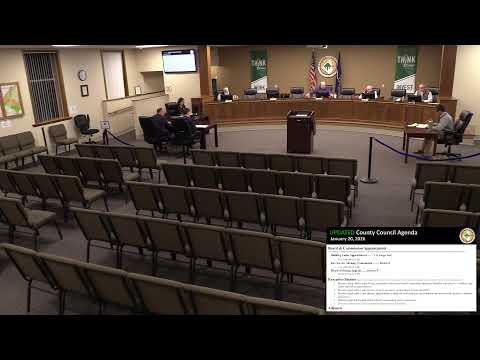
During public comment on Jan. 20, two residents raised concerns about property tax incentives and development in Oconee County.
Sue (Susan) Blunt of Seneca told the council she learned at a board meeting that special source revenue credits given in lieu of taxes "can lock in specific millage rates for the life of the agreement" and could reduce school-district revenues. "Up to 30 years of property taxes are being given up by the Oconee County and will have a negative effect on our schools," Blunt said, noting that "standard assessment is at 10.5% and it may be reduced to as low as 4 to 6%."
David McElhenhan, speaking for the county's Agriculture Advisory Board, read a letter thanking the council for maintaining density restrictions and warned that "overdevelopment" is the board's top threat to farmland. He referenced the Clemson United Home Group proposed development and the findings of the Oconee County Agricultural Task Force.
Why it matters: The comments flag potential long-term revenue implications for local schools if tax incentives are structured to grant multi-decade credits; they also reflect organized concern from agricultural stakeholders about land-use changes.
What the council said: The transcript does not show an immediate policy response to the specific claims made by the commenters during this meeting; council continued with the agenda items after public comment.
Next step: These concerns were recorded in the public-comment record and may inform future agenda items or staff reports; the council did not schedule a follow-up or direct staff to take immediate action on the comments during this session.