Maine commission urges continued study of Boston–Montreal passenger rail, recommends multistate coordination
Loading...
Summary
The Maine–Canadian Legislative Advisory Commission told the Legislature it has restarted work to explore restoring passenger rail between Boston and Montreal, recommending an extended remit, multi‑jurisdictional coordination with New England states and Quebec, and further analysis of infrastructure, NEPA authority and economic impacts.
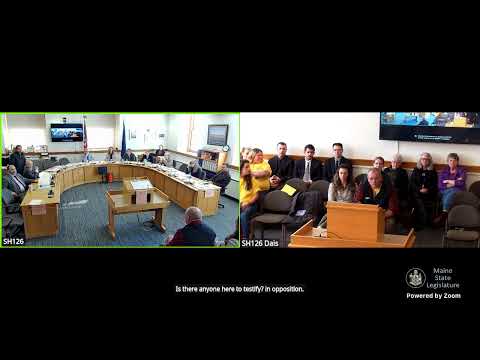
Representative Dan Sayer, presenting a report from the Maine–Canadian Legislative Advisory Commission on Jan. 30, told the Joint Standing Committee on Transportation that the commission has reconvened and is urging continued study into restoring passenger rail between Boston and Montreal. The commission recommends the Legislature extend its remit to continue evaluating public and private proposals, to authorize public hearings and to engage neighboring states and provinces through bodies such as the National Conference of State Legislatures and the Council of State Governments.
The report — compiled after seven meetings since the commission rebooted in mid‑2025 — includes a private‑sector appendix proposing an overnight "train‑hotel" that would run dinner‑to‑breakfast service, stopping in northern and western Maine communities as well as Portland before connecting with the Downeaster into Boston. "Restoring passenger rail would have the benefit of creating a tourism flow through Maine," Sayer said, urging the committee to consider whether and how the state should provide further direction.
Committee members asked detailed questions about routing and infrastructure. Presenters said the commercial proposal would use the CN line to Auburn, transfer onto CSX to Portsmouth and then MBTA into Boston, with stops listed in the appendix including Berlin, Gorham, Bethel, Auburn and Portland. Analysts warned that some segments need upgrades and that track owner/operators and freight schedules (time slots) would need to be negotiated; presenters emphasized that the project's commercial viability will depend on private‑sector economics and coordination with rail owners.
The commission suggested forming a single, multi‑jurisdictional implementation entity to include Maine, New Hampshire, Vermont, Massachusetts and Quebec to coordinate planning and implementation. Presenters also recommended reviewing whether state NEPA‑related statutory authority or other statutes need amendment to allow cross‑border service planning and to ensure any proposed service complies with applicable environmental review requirements.
No formal legislative action was taken at the hearing; commissioners said they will continue monthly meetings (next scheduled Feb. 11) and invited the transportation committee to provide written guidance or a letter if it wants to shape the commission’s next steps.