
District lobbyist outlines major bills — special‑ed funding, lunch verification, cell‑phone ban among priorities
Get AI-powered insights, summaries, and transcripts
Subscribe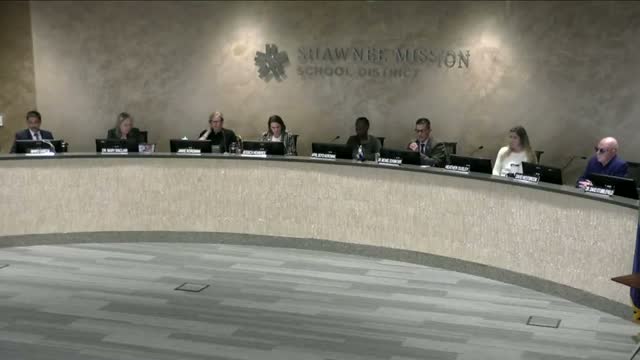
Summary
District lobbyist Dr. Stuart Little told the Shawnee Mission board that an accelerated legislative session is prioritizing property‑tax relief, special‑education funding debates and several bills that could affect local school operations including a cell‑phone ban and a proposal to require verification for free‑lunch eligibility.
Doctor Stuart Little, the district’s lobbyist, delivered an overview of the Kansas legislative session and singled out several measures the Shawnee Mission School District is watching, telling trustees the session is moving quickly in an election year and that a number of bills could affect local school operations.
“We are in the overview of this session is that, they wanna cut property taxes, they wanna avoid controversy, and they wanna be done quickly,” Little said, noting that session timing and an upcoming governor’s race are shaping legislative priorities.
Among the items Little highlighted: a proposed statewide ban on student cell‑phone use that began with broad, bipartisan sponsorship but is under revision after committee hearings; two election bills under consideration (one to move odd‑year local elections to even years and another that would bar local units of government from taking non‑neutral positions on state constitutional or ballot questions, which could affect how districts communicate about local bond questions); and legislation to expand a federal scholarship program in Kansas.
Special‑education funding was a central focus. Little and district staff explained that the State Board’s initial estimate to fully fund special education would require about $150 million (to reach the statutory 92 percent of excess cost), and that the governor’s recommendation would add about $50 million toward that total. Board members and staff described the potential funding gap and urged continued lobbying for full funding of special‑education excess costs.
A new bill to require verification of free‑lunch eligibility and to limit use of the federal Community Eligibility Provision (CEP) was described by district staff and board members as a potential administrative burden that could discourage families from completing paperwork. District staff said they submitted opposition testimony and warned that the proposed verification measures could conflict with federal rules and would increase work for food‑service staff.
Board members asked for ongoing updates. Staff said the district has been submitting testimony and will continue to monitor committee calendars and hearings; they also noted the potential for rapid bill changes given the condensed session timeline.
What happens next: District leaders said they will continue to provide the board with weekly updates as bills move through committees and the floor, and they encouraged trustees to remain prepared to advocate with legislators on special‑education funding and other priorities affecting district operations.