Get Full Government Meeting Transcripts, Videos, & Alerts Forever!
Get email alerts on the Special Districts topic
No spam. Unsubscribe anytime.
Lassen supervisors review plan to give special districts a single 16% funding seat on LAFCO
Summary
Supervisors and special‑district representatives discussed a proposal to change LAFCO funding to 16% and to permit one elected representative for all special districts; smaller districts warned the change may still be unaffordable without subsidies from larger districts.
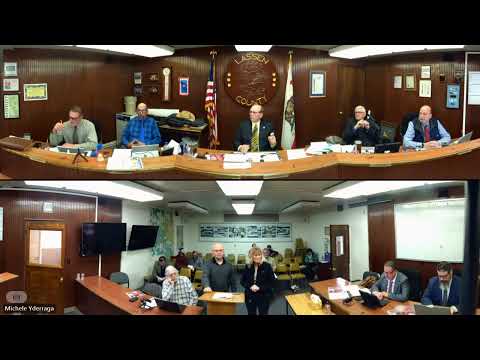
Supervisors and representatives of local special districts spent the meeting’s opening hour debating a proposal to alter how special districts participate on the Local Agency Formation Commission (LAFCO) and how LAFCO would be funded.
Staff said the proposal under consideration would set special‑district contributions at 16% of the relevant budget rather than one‑third and would allow the special districts to choose a single representative to sit on the LAFCO board. Staff reported they had sent letters to every special district to gauge interest and supplied annual cost estimates.
Several officials and district representatives said smaller entities could struggle to pay even modest annual charges. One participant noted that Little Valley and Lovett Lake districts are “both … under 30,000” and estimated the annual contribution could be about “$30” for the smallest districts, while larger utilities would pay more because it is based on budget size. A speaker representing multiple districts said, “it would be offered to special districts board members, to be on the board or employees,” and that, if multiple people applied, the board would “decide … who would best fit at that point in time.”
Supporters argued the change would give special districts a voice at the LAFCO table. A staff member advised the board the practical outcome would be one member representing all special districts rather than a seat for every district, and said selection would likely be by interest and then by vote among participating districts: “You would have candidates, and each district would get a vote on which candidate they would want to serve.”
Board members and district officials emphasized that the change is not automatic. One supervisor asked whether approving a resolution at the county level would immediately effect the change; staff replied that county approval would only signal support and that the special districts themselves and LAFCO members would still need to approve the funding‑structure change.
The discussion highlighted two practical points: how a representative would be chosen (by interest with an internal vote if there are multiple candidates) and how cost shares would be allocated (proportionally by district budget). Several participants urged continued outreach and education, including using resources from the California Special Districts Association to help small districts understand costs and potential grant opportunities.
The board did not adopt any binding change during this segment; staff said they were seeking the board’s support to advance the 16% funding option to LAFCO and to continue outreach to districts. The issue is likely to return for further action after LAFCO and individual special districts weigh in.