
Pinellas board details plan to relocate deaf and hard-of-hearing program as community presses for continuity
Get AI-powered insights, summaries, and transcripts
Subscribe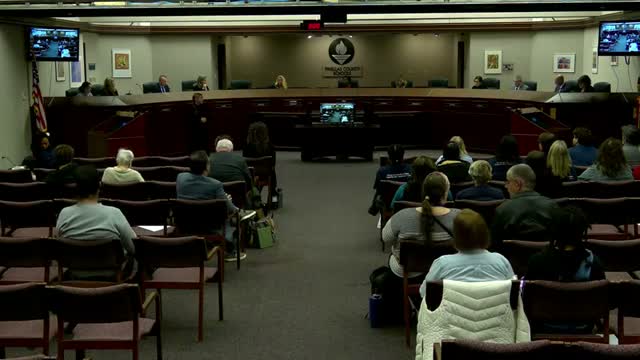
Summary
The Pinellas County School Board outlined a phased relocation of the deaf and hard-of-hearing (DHH) program from Cross Bayou Elementary to Walsingham Oaks K–8 as part of a broader school consolidation plan; the move drew emotional public comment and requests for staff continuity and careful transition planning.
The Pinellas County School Board on Jan. 27 described a phased plan to relocate the district’s deaf and hard-of-hearing (DHH) program from Cross Bayou Elementary to Walsingham Oaks K–8, drawing sustained public comment from families, former students and advocates who urged assurances that services and staff will move with the program.
“We are not closing the DHH program,” said a student who identified herself as Sabila during public comment: “The DHH program is being relocated to a newer and better school so it continued to serve students in the best way possible.” Sabila added that while the building will be missed, program staff, language models and community are the core of its value.
Superintendent Kevin Hendrick told the board the district has conducted faculty and community meetings as part of its “Planning for Progress” initiative, and that additional community meeting summaries will be presented at a board workshop on Feb. 17, with final recommendations slated for Feb. 24. Hendrick said the district is aiming for decisions that reflect long-term academic and social outcomes for students.
Board members repeatedly emphasized engagement with impacted families. In response to questions about placement and phasing for students and staff, Hendrick and district staff said the move to Walsingham Oaks will be phased (for example, staggered grade additions rather than an immediate full 6–8 transfer), and employees affected by closures will work with HR on placement through the district’s established contract process.
Legal and operational safeguards also were flagged: board counsel advised school administrators to contact the legal department and the district police if enforcement or external visits occur, and HR representatives said the district will individually work with affected staff to identify receiving positions.
Public speakers framed their comments around the program’s community value and student needs. Parent and community speakers described Cross Bayou as an essential community hub for deaf students and urged the board to prioritize staffing continuity and the language-rich environment that supports DHH students’ social and academic development. Jacqueline Staller, identifying herself as a parent and member of the deaf community, said that while the DHH program’s relocation may be difficult, consolidating services under one roof could improve consistency of services if staff and resources are preserved.
Advocacy groups also expressed cautious support for the move into a higher-performing campus, while asking the district to ensure resources and interpreters remain available. Rosa Rodriguez of the Pinellas Public Library Cooperative’s Deaf Literacy Center thanked the board for prioritizing deaf students and urged continued resourcing and program cohesion.
The board did not take a final vote on closures at the meeting. Next procedural steps are a summary at the Feb. 17 workshop and final recommendations to the board on Feb. 24, according to Hendrick.