
Virginia House Passes Reproductive-Freedom Amendment After Heated Floor Debate
Get AI-powered insights, summaries, and transcripts
Subscribe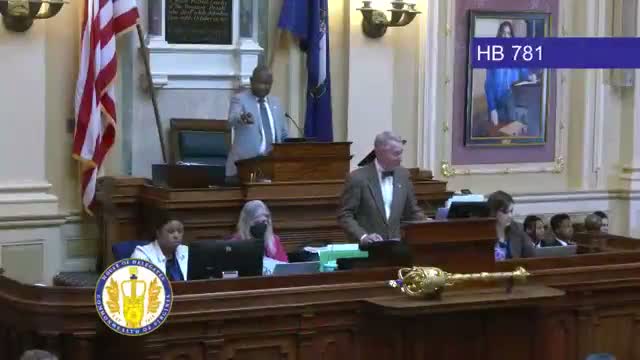
Summary
After extended floor debate over the amendment's language and scope, the House passed a constitutional amendment on reproductive freedom by a recorded vote of 64–35. Opponents warned the text could immunize unlicensed actors; supporters said it protects existing health‑care access and will go to voters.
The Virginia House of Delegates passed a proposed constitutional amendment on reproductive freedom on Jan. 29, 2026, after a prolonged floor exchange that centered on the precise wording and potential legal consequences.
Delegate Ben Williams (Patrick County) opened the debate by reading the amendment’s operative phrase and warning about broad immunities the text would provide. “Quote, ‘the commonwealth shall not penalize, prosecute, or otherwise take adverse action against any individual for aiding or assisting in the exercise of this right,’” Williams said on the floor, and argued that language could extend immunity beyond medical professionals to unlicensed or malicious actors. He asked colleagues to "reject this amendment" and to "vote no."
Delegate Mark Herring (Alexandria) responded for supporters, saying the measure was intended to protect current law and access to reproductive health care. “This is not just about abortion. It's about access to birth control,” Herring said, and he pointed to existing processes under Virginia law and the statutory requirements for ballot language. Herring urged members to let voters decide the issue in a referendum.
The debate focused on whether the amendment’s text is narrowly limited to licensed medical practice or broadly protective of any person who “aids or assists” another’s exercise of reproductive freedoms. Williams argued the wording creates “absolute immunity with no exceptions for unlicensed conduct, no exceptions for reckless conduct, no exceptions for conduct that kills.” Herring disputed that characterization and said statutes and procedural safeguards remain in place.
After floor debate the House adopted the measure by recorded vote, Ayes 64, Noes 35. The amendment, as passed by the House, will be placed on the ballot for voters to approve or reject according to established constitutional-amendment procedures.
What happens next: The amendment now proceeds under the constitutional-amendment process toward placement before voters in a future election cycle. The transcript records floor debate and the recorded House vote; no floor amendments were offered during this session.