
Maine lawmakers hear push to fund state nonprofit security grant to protect houses of worship and nonprofits
Get AI-powered insights, summaries, and transcripts
Subscribe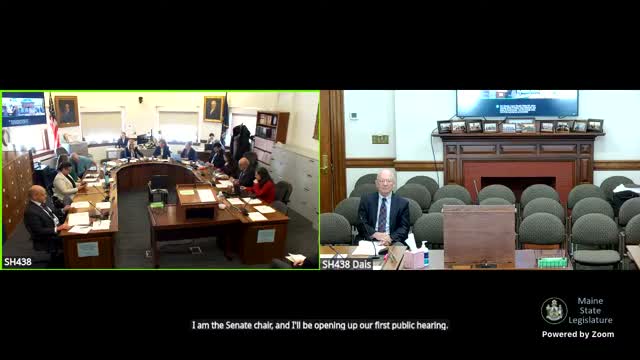
Summary
Supporters told the Judiciary Committee that threats and harassment against religious and nonprofit institutions have risen and urged the legislature to create a $1.5 million state grant program to supplement federal FEMA/MEMA money. Sponsor Rep. Michael Brennan proposed placing administration with MEMA and narrowing the fiscal request.
Representative Michael Brennan opened the committee92s public hearing on LD 2107, an act to establish the Maine Nonprofit Security Grant Program, saying he was "disappointed and sad that a bill like this needs to be brought to the legislature." Brennan told the Judiciary Committee that synagogues, churches, mosques, temples and other nonprofit organizations across the state have experienced threats and harassment that have left many Mainers fearful of attending worship and community events. He proposed a state allocation to supplement federal funds administered through FEMA and MEMA and offered a fiscal amendment to reduce the initial ask from $2.0 million to $1.5 million.
Why it matters: Witnesses said federal nonprofit-security grants are helpful but limited, highly competitive and often reimburse costs after the fact. Several organizations and municipal leaders told the committee that modest state funding could ensure smaller or rural nonprofits could hire temporary security personnel or make infrastructure upgrades that federal rules either cap or limit.
What sponsors and supporters said: Brennan told members that MEMA already manages federal nonprofit-security grants in Maine and that moving a state program into MEMA would allow coordination with existing guidelines and grantees. "They already accept the applications, and they already oversee that process," he said. Co-sponsor Sen. Jill Dusan and representatives of the Jewish Community Relations Council and Khmer Maine said they had collected dozens of organizational endorsements and recounted threats and vandalism they said had raised the urgency for a state-level stopgap.
Questions from the committee: Lawmakers pressed Brennan on how MEMA allocates federal dollars, whether larger organizations would crowd out smaller ones, and whether hiring armed security would be eligible. Brennan said MEMA has existing guidelines and that applicants must demonstrate a clear security need; he also acknowledged federal limits on some personnel costs and said he would invite MEMA staff to a work session to show procedures and current grantee lists.
What92s next: Committee members asked the sponsor to bring MEMA officials and relevant federal and state regulations to a follow-up work session so members can review grantee lists, award criteria and statutory language.
Context: Supporters framed the bill as a bipartisan, common-sense public-safety measure that mirrors programs in some 20 other states. The sponsor signaled willingness to refine the bill92s language and fiscal ask before the committee considers a work-session recommendation.