Get Full Government Meeting Transcripts, Videos, & Alerts Forever!
Get email alerts on the Government Operations topic
No spam. Unsubscribe anytime.
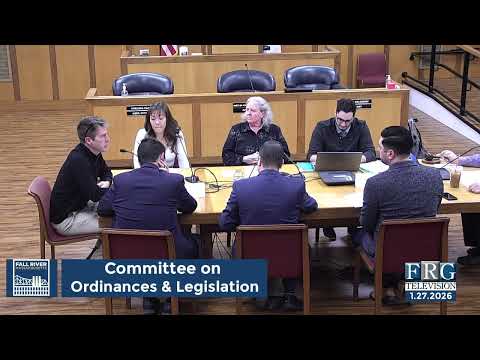
Committee asks chair, counsel to craft language on council approval for leases after EMS building dispute
Summary
Citing a recent EMS building license-versus-lease dispute, the committee directed the chair to work with corporation counsel to draft an ordinance clarifying when real estate leases must receive City Council approval and how to prevent executive-side circumvention via licenses.
Committee members raised concerns that the administration used a license for the EMS building rather than a lease, which some councilors viewed as circumventing the council’s role. Special counsel Matt Thomas and Corporation Counsel Alan Rumsey advised the committee that under Chapter 40 §3 leases creating an interest in real property typically require council approval, while licenses and uses of occupancy (revocable, personal permissions) are generally executive actions and may not be subject to the same requirement.
Matt Thomas said the distinction between a lease and a license is important: a lease creates an interest in real estate and is not revocable without legal process, whereas a license is revocable and often not recorded at the registry of deeds. He said the council could adopt an ordinance making explicit that "all real estate leases, regardless of length or value, must be approved by the city council before the mayor executes them," but cautioned that a local ordinance cannot contravene state law or impair contract rights.
Councilors pressed on whether the administration could use a series of short-term licenses to avoid council review. Counsel said licenses can be written for variable terms but are still revocable and that the council’s ultimate control over the purse gives it leverage (e.g., by declining funding). Several members proposed alternative drafting approaches, including requiring leases with options to purchase to come to council or creating budget controls that track lease/license spending.
The committee voted to table the proposal and authorized the chair to work with corporation counsel to craft a solution that preserves needed administrative flexibility while ensuring the council is not circumvented. The committee asked for a draft ordinance and legal recommendations to return to committee.
Next steps: Chair to collaborate with corporation counsel on draft language clarifying the distinction between leases, licenses, and occupancy agreements and on mechanisms to ensure council oversight, with the matter to return to committee.