
County introduces ordinance to ban possession of detached catalytic converters amid theft concerns
Get AI-powered insights, summaries, and transcripts
Subscribe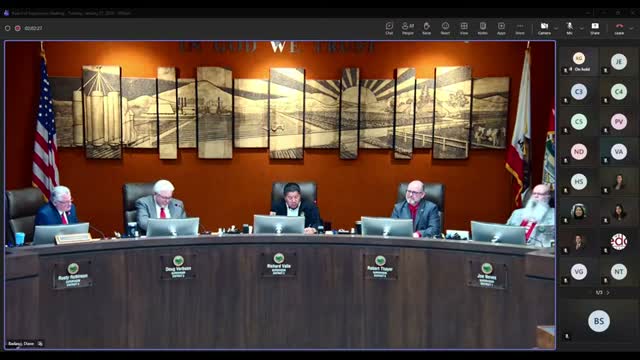
Summary
Kings County introduced an ordinance to criminalize possession of detached catalytic converters by unlicensed persons, citing local theft data and proposing misdemeanor penalties; staff warned the measure could face state preemption challenges and will return Feb. 3 for further action.
Kings County staff on Jan. 27 introduced a draft ordinance that would make it unlawful for persons who are not licensed recyclers or other authorized entities to possess a detached catalytic converter unless they can provide valid proof of ownership.
Alex C. Walker presented the rationale and data behind the draft, noting catalytic converter thefts across the region and in local cities over the last five years and estimating a total reported value of $93,766 in Kings County. Walker explained the draft follows models used by other California counties and would make unlawful possession a misdemeanor punishable by up to six months in jail and/or a $1,000 fine per violation; the draft does not include an administrative penalty mechanism due to resource constraints.
Staff cautioned the board the ordinance could be challenged on preemption grounds because catalytic converters are regulated under multiple state codes. The board introduced the ordinance and directed staff to return with the draft for adoption on Feb. 3, 2026. Public commenters and supervisors discussed the statewide legislative gap (referred to in public comment as AB 641) and local law‑enforcement difficulties in holding repeat offenders accountable under current state thresholds.
Why it matters: Counties and cities have moved to criminalize possession where state law creates thresholds that can make enforcement difficult; Kings County’s draft would provide local deputies an additional tool in areas under county jurisdiction.
What’s next: The ordinance was introduced for consideration and will return to the board on Feb. 3 for potential adoption and a 30‑day effective period if adopted.