Connecticut Board approves settlements, including $200,000 payment in rodent-infestation case
Loading...
Summary
The Connecticut Board of Pharmacy approved a series of settlement agreements for inspected pharmacies, including a $200,000 payment tied to rodent infestation remediation and penalties or operational restrictions for several other licensees.
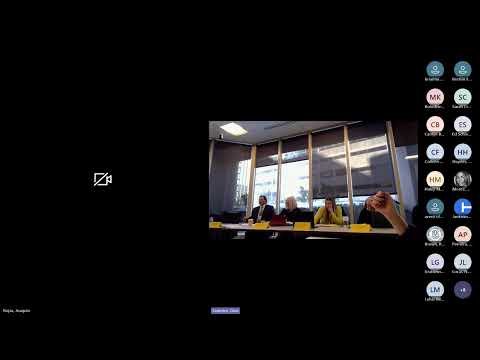
The Connecticut Board of Pharmacy on Jan. 28 accepted multiple settlement agreements after staff described inspection findings and corrective measures.
Counsel for the department described case 2025-494/159 as involving evidence of extensive rodent activity across a retail store and an in-store pharmacy, including mouse droppings, nesting materials and a hole in a warehouse door first noted in 2023. Counsel said the department negotiated a voluntary $200,000 payment, a letter of reprimand and a requirement that the respondent submit quarterly pest-control and cleaning reports for one year to document corrective action. Counsel for Drug Control said the payment has already been received and the reports are intended “to detail all the corrective measures that have been taken by all pest and cleaning providers,” a staff summary said.
Earlier in the meeting, the board accepted a proposed $25,000 settlement in case 2025-976 after an inspection found delivery totes staged in a public hallway, commingled records, inventory and labeling deficiencies and an unsecured controlled-substance safe. Counsel said the settlement requires the respondent to provide signed quarterly inspection reports and other self-monitoring measures.
The board also approved a $20,000 settlement and a permanent prohibition on compounding in case 2025-879; counsel said investigators found compounding-bench contamination, unlabeled or expired compounded products and missing master formulation records, and that this location had prior compounding-related enforcement interactions.
Additional approved resolutions included a $2,000 settlement in case 2025-1676 after an initial loss report of about 500 alprazolam tablets (later reconciled to roughly 325 tablets) and a $5,000 payment in case 2025-1139 involving invalid scripts and inventory deficiencies. In another matter, counsel proposed a $10,000 payment and a three-year probationary period that includes a prohibition on acting as a pharmacy manager for a respondent deemed to have persistent record-keeping and operational shortfalls.
Commissioners moved and voted on each proposal after counsel’s presentation; motions were seconded and recorded as approved unless noted. Counsel repeatedly told the commission that, where appropriate, the department has secured letters of reprimand and mandatory reporting or monitoring terms to verify corrective steps.
The board’s actions are administrative settlements and do not, in themselves, determine criminal culpability. Several commissioners emphasized the need for full documentation in follow-up reports and for measures that protect patient safety while trying to preserve access to pharmacy services in the community.
What’s next: The department will monitor compliance with the reporting and probation terms specified in the settlements and will bring any enforcement follow-ups to the commission if required.