Rock Springs city attorney says much of legal work happens 'behind the scenes'
Loading...
Summary
Rick Beckwith, Rock Springs city attorney, described the office’s responsibilities — drafting and enforcing ordinances, reviewing and creating contracts, pursuing civil litigation, handling administrative hearings and advising elected officials and department heads — noting much of the work is not visible to residents.
At a meeting of the Rock Springs City Council, Rick Beckwith, the city attorney, described the legal department’s routine responsibilities and told residents that much of the office’s work happens behind the scenes.
Beckwith said his office’s role is established by ordinance and listed core duties: "My position is defined by ordinance, and one of the things that I'm supposed to do is to draft all of the ordinances, to review all of the contracts, to draft contracts, to do civil litigation on behalf of the city," he said.
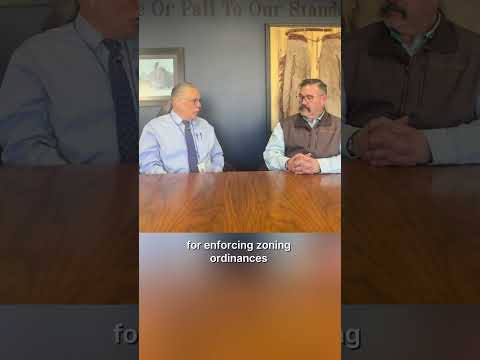
He added that the office enforces city ordinances beyond traffic matters. "That's not just speeding ordinances and traffic ordinances, but also we're responsible ultimately for enforcing zoning ordinances and things like that," Beckwith said, noting the city attorney’s office conducts administrative hearings tied to those enforcement responsibilities.
Beckwith also said, by ordinance, the office must advise the mayor and council on legal matters that affect the city. He described additional duties including handling criminal matters that involve violations of city criminal ordinances and advising department heads on employment-law issues and other legal questions.
Mara, identified only by her first name in the transcript, asked how members of the public typically intersect with the legal office; she said she had once dealt with the department over a stop-sign issue and found the experience positive. Beckwith said those direct interactions are uncommon and that much legal work supports staff and operations rather than routine public contact.
No formal motions or votes were recorded during this exchange. The discussion closed with Beckwith reiterating that the legal department performs a wide variety of functions for the entire city that are not always visible to residents.