
Consultant outlines budget governance, communication protocols and next steps for vision work
Get AI-powered insights, summaries, and transcripts
Sign Up Free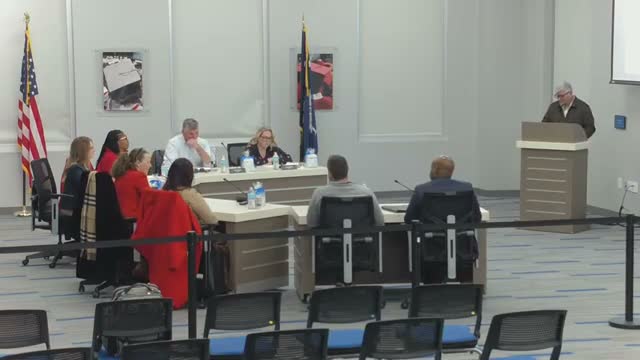
Summary
At a Jan. 27 work session consultant Dr. Pete Gorman told the Rock Hill School Board to 'thread the needle' between oversight and micromanagement, recommended a transparent timeline for budget engagement and proposed a follow-up session to finalize vision and mission work.
At a work session on Jan. 27, consultant Doctor Pete Gorman led the Rock Hill School Board through governance fundamentals and a framework for budget development, stressing the board’s policy role and the superintendent’s operational responsibility.
"The superintendent does what we call below the line and the board does what we call above the line," Gorman told the board, using the metaphor to distinguish policy-setting and operational implementation. He urged clear policies, regular financial updates and a public timeline so the community can participate early in the budget cycle.
Gorman walked through the district’s second-quarter financial context (presented earlier in the meeting) and the board policies that guide budget practice. The district’s finance presentation reported property-tax collections of about $29,700,000 this year versus $27,200,000 last year and year-to-date revenue of roughly $102,900,000 with expenditures near $104,000,000; Gorman and board members discussed how braided federal, state and local funding affects staffing and how grant-funded positions may be shifted or absorbed after federal funding ends.
Board members pressed for clarity on budget-transfer rules, apparent contradictions in internal policy language, and how the district should consult its auditor to confirm compliance. One board member asked whether budget hearings could be moved earlier; Gorman recommended a series of listening sessions and a standing agenda item so the public and board track progress throughout the spring budgeting season rather than relying on a single statutory hearing just before adoption.
The work session also focused on board dynamics and communications. Gorman ran a governance-team self-assessment and encouraged the board to model respectful, constructive debate. The consultant recommended rules of engagement for the budget season — a transparent process, clear roles, and a single timeline aligned to board goals — and suggested the board consider an action item at the next meeting to affirm the process it will follow during the budget cycle.
On communications, the consultant and superintendent discussed limiting direct, ad-hoc staff direction by board members and routing constituent and personnel concerns through the superintendent or a designated process. The superintendent reported staff were already getting fewer direct, ad-hoc contacts and welcomed the improved procedures.
Finally, the board agreed to follow up on vision-and-mission work: members asked staff to circulate materials and poll for a dedicated session so all seven members can participate in crafting or reaffirming a district vision and mission (the group noted the existing statements date from about 2017 and should be revisited).
Provenance: The governance content and recommendations appear throughout the work session presentation led by Doctor Pete Gorman and the public discussion recorded between SEG 389 and SEG 3497; the finance figures referenced were presented earlier in the meeting by the finance presenter and discussed during the work-session budget governance conversation.
Next steps: The superintendent will propose a timeline and polling options for a vision-and-mission session; staff were asked to provide the consultant slides and a draft budget-engagement timeline to the board prior to the next meetings.