Hamilton County outlines plan to cut food waste 50% by 2030, highlights rescue and composting progress
Loading...
Summary
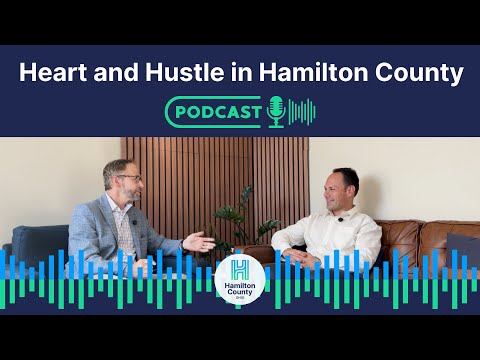
On the county podcast, Resource Hamilton County’s food diversion specialist said food is the largest single waste item in local landfills, described household composting options and commercial rescue successes, and cited a county target to halve food waste by 2030.
Tony Staubach, Resource Hamilton County’s food diversion specialist, told listeners on the county podcast that “wasted food is the number one item that winds up in the landfill,” and urged residents and businesses to treat edible food as a recoverable resource rather than trash.
Stressing both environmental and human consequences, Staubach said the county’s analysis puts food and organics at roughly 15% of Hamilton County’s waste stream — below a national 20–25% range but still substantial — and estimated the county produces on the order of 130,000 tons of wasted organics a year. "We had 10,000 tons of food scraps that were recovered and rescued to feed hungry people," he added, noting about 5,000 tons went to composting in the same reporting period.
The county supports recovery through grants and partnerships. Staubach said Resource Hamilton County provides funding for equipment such as walk-in freezers and scales and has helped deploy Bluetooth thermometers to food-manufacturing donors so donated product can be safely identified and routed to nonprofits. He cited local partners including Free Store Food Bank, Last Mile Food Rescue, Le Soupe, Food for the Soul and Our Daily Bread.
For households, Staubach recommended practical, low-cost steps: make a shopping list, plan meals and avoid overbuying. For residents with limited space, he noted subscription pickup and neighborhood drop-off options such as Go 0, Queen City Commons and Compost Now. On backyard composting, he advised keeping compost to vegetative scraps, avoiding fats, oils and dairy, and balancing carbon (browns) with nitrogen (greens) to reduce odor and improve breakdown.
Addressing commercial and industrial streams, Staubach described operational fixes and logistics that can yield large returns — from placing a simple bin on an assembly line to organizing emergency transfers of frozen product when storage logs are incomplete. He said the county believes a minimum of roughly 30% of commercial/industrial organics (an estimated 27,000 tons) may be recoverable but that better source-separated data are needed to plan facilities and collection routes.
The 15-year Hamilton County solid waste plan includes an explicit target to reduce food waste by 50% by 2030, a goal Staubach said municipal partners have agreed to pursue. He emphasized the need for infrastructure — processing facilities, pick-up logistics and stronger data — to turn that target into recoverable food and compost.
The episode closes with the host directing listeners to hamiltoncountyohio.gov for links and resources and thanking Staubach for his work.