Lifetime Citizen Portal Access — AI Briefings, Alerts & Unlimited Follows
Lawmakers debate proposal to build oil-and-gas reclamation fund corpus to address orphan wells
Loading...
Summary
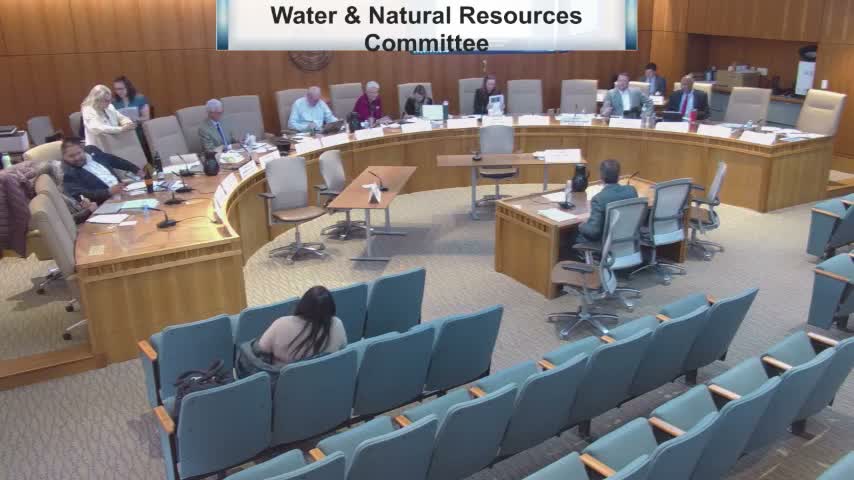
Representative Mark Murphy presented a bill to redirect portions of the oil conservation tax to build a reclamation fund corpus (goal cited around $1 billion over a decade) to plug and remediate abandoned wells; members debated bonding, agency procurement and whether bonds and operator responsibility should be prioritized.
Representative Mark Murphy described proposed changes to the oil-and-gas reclamation fund, an insurance-style pool funded by the oil conservation tax to pay for plugging and reclamation where a responsible producer cannot be located. Murphy said the fund currently grows annually (histor range cited by testimony) but has been swept in past budgets; the bill would redirect rising shares of the conservation tax to build a corpus over a multi-year period beginning in 2027 with phasing to reach target levels.
Murphy said the Oil Conservation Division estimates a large long-term liability (agency testimony referenced figures from roughly $700 million to $1.3 billion) and that the bill was structured to build reserves and address procurement inefficiencies that currently keep plugging costs high. He proposed a two-thirds legislative threshold for certain withdrawals to make sweeps more deliberative.
Representative McQueen and other members pushed back on design choices: McQueen said operator responsibility and posted bonds should be primary and questioned whether the reclamation fund should substitute for operator bonds; he also raised concerns that a two-thirds threshold could effectively create veto power for a single party. Murphy and supporters argued that bonding and agency procurement have shortcomings and that building corpus and improving OCD procurement would make plugging more cost-effective and protect taxpayers from future liabilities.
Workgroups and further meetings with the Oil Conservation Division, state land commissioner and other stakeholders were requested; no formal committee votes were taken on the proposal during the interim session.