Get Full Government Meeting Transcripts, Videos, & Alerts Forever!
Get email alerts on the Historic Preservation topic
No spam. Unsubscribe anytime.
State historic preservation office and St. George highlight archaeology grant projects at Tonicotin Park
Summary
Officials said a State Historic Preservation Office archaeology grant funded projects in St. George that protect archaeological resources and add interpretive signage at Tonicotin Park to educate visitors about thousands of years of human habitation.
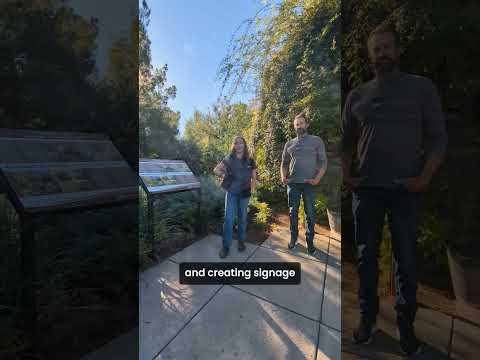
Carly Stauffer, a grants administrator with the State Historic Preservation Office, said the City of St. George worked with the office on an archaeology grant to fund projects at Tonicotin Park that protect archaeological resources and add educational signage for visitors. "There are thousands of years of human habitation history throughout Utah and in St. George," Stauffer said, describing efforts to both protect those resources and explain them to the public.
Mark Goldman, a landscape architect with the City of St. George, said the city’s intent at the park was interpretive. "At Tonopquin Park, we wanted to educate the public to let them know that there were people here before us," he said, reiterating the project’s focus on public education about long-term habitation in the area.
Presenters said the grant-funded work included site protections and new signage placed in the park to help visitors identify and understand nearby archaeological features. No formal actions, votes, or policy changes were recorded in the meeting excerpt; the presenters framed the projects as collaborative preservation and outreach efforts between the city and the State Historic Preservation Office.
Organizers said the measures aim to conserve cultural resources while giving park visitors historical context for what they see on site. The presentation concluded with both speakers emphasizing education and stewardship as the main goals of the work.