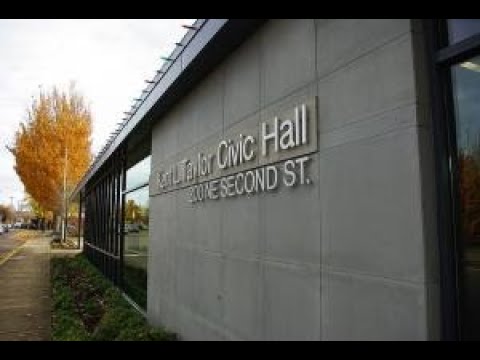
Residents urge McMinnville to act after federal immigration enforcement drew community alarm
Loading...
Summary
More than a dozen residents told the council about traumatic immigration‑related detentions in recent weeks and asked the city to pursue identification/notification protocols, request federal arrest data, post DOJ model policy signage, and consider emergency measures to protect residents.
A large slate of public commenters told the McMinnville City Council on Jan. 30 that recent federal immigration enforcement operations have created fear and disruption in the community and asked the city to take several steps to document and mitigate harms.
What residents asked for: Multiple speakers asked the city to (1) seek confirmation and identification of any detained persons who are McMinnville residents and to notify next of kin, (2) request data and stated basis for arrests from federal authorities, (3) post notice around city properties consistent with the Oregon Department of Justice model policy number 5 limiting federal use of local facilities, and (4) consider other local measures to protect civil liberties and make reporting easier for witnesses and families. "There could be signs posting these regulations and restrictions," said Andrew Larkin, a local youth organizer, who told the council about masked, armed operations near family events and said "Will this stop ICE? No. Will it send a clear message...Yes."
Staff response and next steps: Interim City Manager Adam Garvin said staff is already working on several items the council directed at a prior meeting and that some immediate items—posting guidance on what to do if a detention is witnessed and updating the city website—could be implemented relatively quickly. Garvin said other measures (including requesting federal data or legal restrictions) require more time and legal coordination.
Legal context and limitations: City Attorney David Leitenberg and staff reminded the council that municipal powers are limited with respect to federal enforcement; they flagged that some measures are primarily declaratory (statements of concern) while others (like declarations of emergency that can unlock certain processes) have specific legal triggers and limited fiscal benefit without intergovernmental support.
Community impact: Several commenters described direct economic and mental‑health impacts for Latino and immigrant‑owned businesses and families; speakers urged the city to move beyond statements and to implement concrete, practical actions (data requests, next‑of‑kin notifications, signage and clearer reporting mechanisms) that could be put into place quickly to help affected residents.