Hampshire County emergency-services leaders resign after suspension and criminal charges, volunteers warn of safety risks
Loading...
Summary
Two senior emergency-management officials announced resignations at a Jan. 27 Hampshire County Commission meeting after the county disciplined a chief over alleged unauthorized access to the 9-1-1 system; volunteers and commissioners warned the departures may harm response capacity as leaders schedule follow-up meetings.
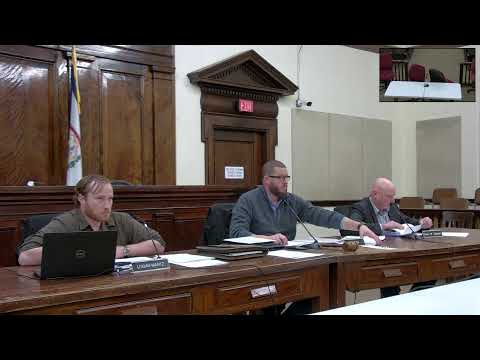
Two senior emergency-services officials announced their resignations at the Hampshire County Commission meeting on Jan. 27, a week after the board disciplined the county’s emergency chief and criminal charges were filed in connection with unauthorized access to the county 9-1-1 system.
A captain and training officer told commissioners they were stepping down; a deputy director said they will remain through the current storm response and then leave. One resignation speaker said in a prepared statement: “I’m here today to formally resign my position from the Hampshire County Emergency Services Agency Captain and Training Officer position,” and added that the decision was driven by concerns about internal politics and unsustainable working conditions for first responders.
Commissioner Englanger outlined the commission’s disciplinary action earlier in the meeting and said criminal charges have been filed against Darren Hamrick in Hampshire County Magistrate Court. Englanger said the charges were for “obtaining confidential public information and unauthorized access to a computer service,” and that the alleged disclosure involved protected law-enforcement information from the county 9-1-1 CAD that was shared via a third‑party app during a trial period.
Volunteers and career responders urged the commission to consider the public-safety consequences of losing experienced leaders. Volunteer EMT Derek Gallardo told the board, “What’s happening with [this] is killing us,” and asked what the plan is to prevent losing medics and volunteers. Multiple speakers described improved training, staffing and coordination under the departed leadership and warned that retention could suffer.
Commissioners defended their actions as upholding rules and protecting confidential systems. Commissioner Englanger said the disciplinary step — previously adopted by some commissioners — was necessary because departments were not being kept informed and the commission’s established advisory process was bypassed.
The board acknowledged the tension between enforcing procedure and preserving morale. Several commissioners called for continued conversation and proposed drafting clearer policy and workflows to avoid future confusion about budgeting, procurement and interdepartmental authority.
Next steps include a special commission meeting to follow any advisory-board recommendations. Commissioners said they would meet with the HCSA advisory board and consider options for filling leadership roles. No additional formal personnel votes occurred at the Jan. 27 meeting; commissioners directed staff to schedule follow-up sessions and to seek recommendations from the HCSA advisory board.