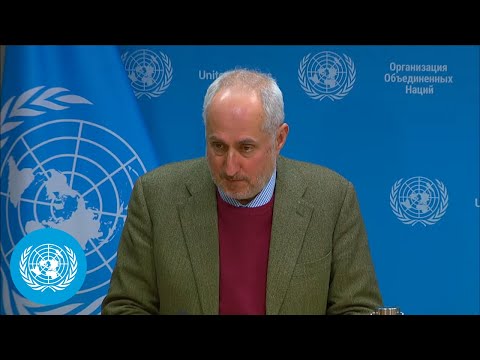
UN spokesperson urges Rafah opening, says Gaza humanitarian needs remain acute
Loading...
Summary
At a UN briefing, the spokesperson urged full implementation of ceasefire arrangements and rapid, ramped-up humanitarian access to Gaza (including Rafah), warned that makeshift shelters and restricted entry of heavy equipment limit protection and recovery, and said NGOs must balance aid delivery with staff safety.
Spokesperson Steph told journalists the United Nations is prepared to surge aid to Gaza but does not control border crossings and is working with counterparts to determine when and how the Rafah crossing will open. "We are prepared," Steph said, adding the priority is to "maximize the humanitarian impact" and to allow both humanitarian and private cargo and the free movement of people in line with international law.
Steph confirmed reports that the remains of the last Israeli hostage, Ron Givli, had been recovered and extended condolences to his family. She said full implementation of the ceasefire arrangements is "absolutely critical," and urged parties to move forward in good faith to facilitate sustained, unhindered humanitarian access, including via Rafah, and to uphold international humanitarian law.
On conditions inside Gaza, Steph said hundreds of thousands remain in dangerous makeshift shelters or damaged buildings, exposed to winter weather, environmental hazards and explosive ordnance. She warned that tents and tarpaulins are temporary measures that "cannot provide adequate protection against the continuing winter conditions," and noted that repairs and removal of rubble are limited by restrictions on entry of heavy machinery.
During questions, journalists raised reports of ethnicity-based killings in northeast Syria and whether power and internet are back in Kobani; Steph said the UN had "seen the reports" and called on the authorities responsible for civilian protection to investigate. On reports that some NGOs in Gaza have been asked to hand over lists of staff to Israeli authorities, Steph said organizations must make their own decisions balancing the need to deliver aid and to protect staff, and that she would not judge partners' operational choices.
The briefing made clear the UN sees Rafah as a key part of scaling up deliveries but said that operational detailswhat crossings accept (foot traffic versus cargo), movement of people and customsremain to be clarified with authorities. Steph said the UN wants more crossings open, not a foot-traffic-only arrangement, so humanitarian and commercial cargo can reach people in need.
The next procedural step, according to Steph, is for the UNand humanitarian partners on the groundto receive clarity from authorities about what an opening would allow so they can plan and maximize relief deliveries.