
Committee hears briefing on DOE plan to move single high‑burnup research cask to Idaho in 2027
Get AI-powered insights, summaries, and transcripts
Subscribe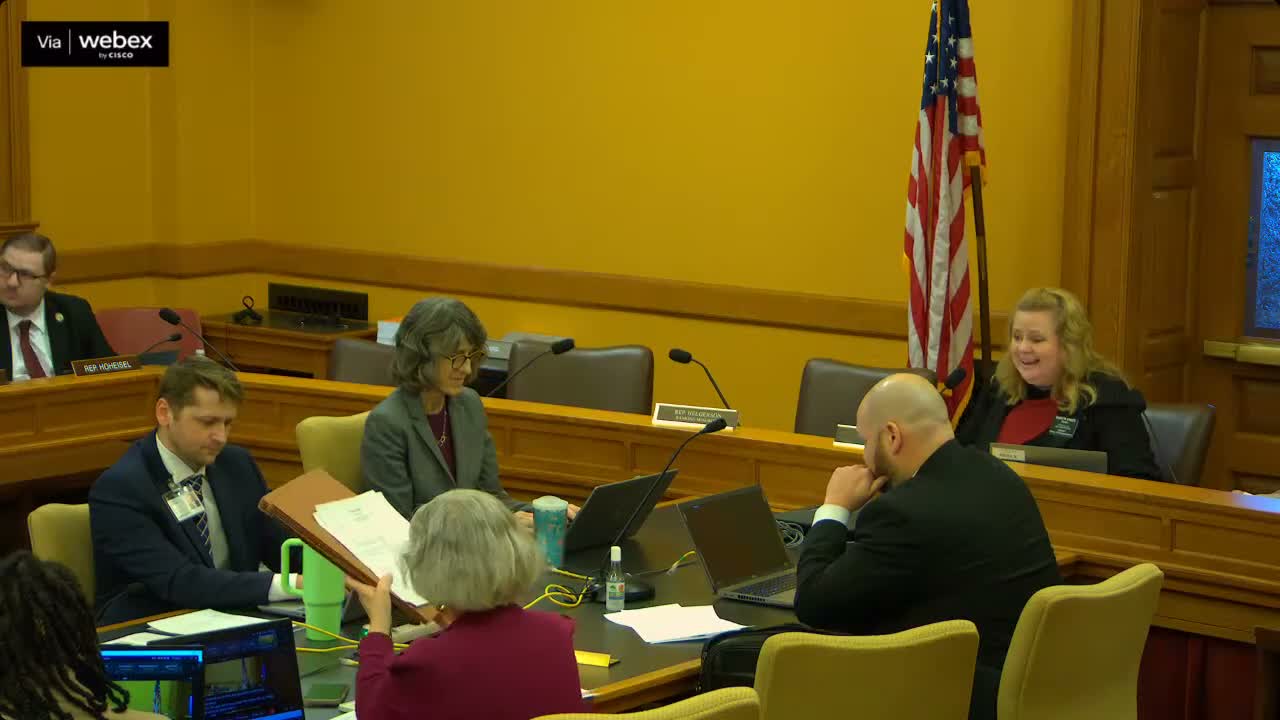
Summary
The Committee on Transportation was briefed by the Midwestern Radioactive Materials Transportation Project on plans for a one‑time Department of Energy rail shipment of a high‑burnup research cask in 2027, covering contents, cask safety testing, security escorts and state coordination along the route.
The Committee on Transportation heard a briefing on a planned one‑time Department of Energy shipment of a high‑burnup research cask to Idaho in 2027 and raised questions about contents, transit arrangements and security.
The Midwestern Radioactive Materials Transportation Project (MRMTP) told the committee the shipment — called the high‑burnup research cask (HBURC) — will move by rail in a dedicated train consist on a specially certified rail car known as the Atlas and will be accompanied by armed escorts in a separate rail security vehicle. "They are going to move this HBURC in 2027," MRMTP director Melissa Shehazadeh said during the briefing.
Why it matters: the cargo consists of spent nuclear fuel assemblies that research teams want to examine in Idaho; moving such material requires coordination among DOE, railroads and state and local responders along any route. Committee members focused on what the cask contains, how resilient the container is to accidents, who takes responsibility for security and what information rail operators and regulators will decide.
MRMTP described the shipment as a single, non‑routine transfer tied to a research need. "This shipment has to happen because the Idaho National Laboratory has the facilities that the DOE needs in order to complete the research," Shehazadeh said. Presenters said the cask will not move under Nuclear Regulatory Commission authority or under the Nuclear Waste Policy Act; instead DOE is moving it under authorities related to the Atomic Energy Act of 1954.
On contents and capacity, presenters confirmed the cask contains 32 fuel assemblies based on DOE materials provided to MRMTP. "32 fuel assemblies then," Cheryl Head of the Illinois Emergency Management Agency said when reading DOE documentation aloud during questions.
On safety and crash testing, committee members were told the cask is designed to withstand severe transportation accidents and undergoes extensive testing. "The cask itself is designed to withstand severe transportation accidents and undergoes very rigorous testing to make sure that it's not going to break open," Greg Gothard, Michigan's gubernatorial appointee to the MRMTP, said. Presenters also cited a 1984 controlled crash test in which a rail consist collided with a cask and the cask sustained only superficial damage.
Security and coordination: presenters said armed escorts will ride in dedicated rail security vehicles attached to the same train consist as the Atlas car, and that local jurisdictions along the planned path will collaborate with DOE on planning and response. MRMTP said states have developed a planning guide that sets expectations for advance notification, escorting and related procedures; however, decisions about an operating speed and specific railroad operational details will be determined by the Federal Railroad Administration and the railroads themselves, the presenters said.
Scope and disposition: MRMTP described the move as a one‑off research transfer rather than part of an ongoing shipping campaign. Presenters said their understanding is that, after the testing is complete, the fuel will remain in Idaho rather than be returned across the country.
What was not resolved: committee members pressed for concrete operational details the presenters did not provide, including an exact transit schedule, per‑state speed limits for the train and a definitive list of all security partners and whether the armed escorts are federal employees; presenters said some of that operational detail is secured information and will be shared directly with affected jurisdictions.
Next steps: MRMTP said DOE plans rehearsals with emergency responders and that communities can sign up for updates on the DOE project website. The committee did not take any formal action during the briefing and moved on to other business before adjourning.
(Reporting based solely on the committee briefing and the presenters' statements to the Committee on Transportation.)