
House committee weighs 110% cap, registration and bans on deceptive ticket resale practices in H.512
Get AI-powered insights, summaries, and transcripts
Subscribe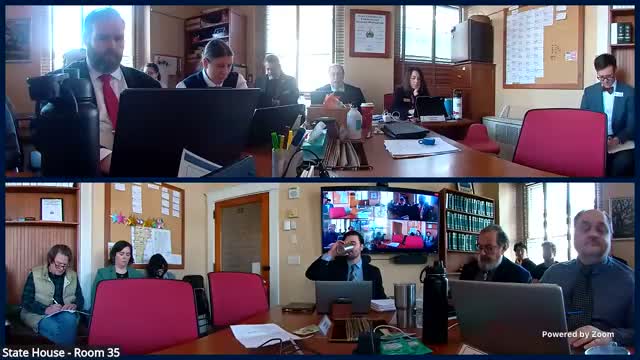
Summary
The Commerce & Economic Development committee examined amendments to H.512 that would impose a 110% cap on ticket resales, ban speculative listings and deceptive site behavior, require registration for high-volume resellers, and fund a consumer-education campaign; witnesses split over the price cap’s likely effects.
Legislative counsel and witnesses on Jan. 29 laid out competing views on a strike-all amendment to H.512 that would regulate the event ticket resale market in Vermont.
Cameron Wood, legislative counsel, told the House Commerce & Economic Development committee the bill would create a new subchapter in 9 BSA chapter 63 titled "event tickets," with definitions and multiple consumer protections. "A ticket reseller or a ticket issuer shall not charge more than 110% of the total price of an original ticket, which includes taxes and fees," Wood said, describing subsection (b) as a 10% markup cap on resale prices.
Supporters said the cap and related rules would curb fraud and deceptive marketing. "When you put the 10% cap on there, it's just taken away the reason to resell those tickets," said Susan Evans McClure, executive director of the Vermont Earth Council, citing experiences from other states and arguing the cap would redirect consumers to venues and artists. She also backed conspicuous disclosure requirements for resale sites and an education campaign funded by registration fees.
Venue representatives described practical harms from deceptive listings and counterfeit tickets. "It didn't get them to change how they were marketing it," a venue representative identified in testimony as Mister Sweeney said of a third-party site that misrepresented an event location; he urged statutory tools to let venues notify resale purchasers before performances and obtain contact information to manage postponements and refunds.
Industry groups cautioned that a hard price cap could have unintended consequences. "These restrictions would drive transactions into underground and unregulated markets, increasing fraud risks and reducing consumer protections," Aiden Skass, policy manager at Chamber of Progress, told the committee, citing reports and international examples where caps shifted buyers to unverified sellers.
Enforcement and implementation details were a central focus. Counsel said the Secretary of State would handle reseller registration (a requirement for those reselling 100 or more tickets per year) and could set a fee to cover registration costs, while enforcement of unfair or deceptive acts would fall to the Attorney General's office under section 24 53. The amendment also would require a registered reseller who sells 1,001 or more tickets annually to maintain a surety bond "not less than $10,000," an element Wood said may need clearer statutory linkage to restitution obligations.
Todd Delos, assistant attorney general, said the AG's office is generally supportive of regulating the space and can help refine language, especially around the use of venue and artist names in advertising. "We support more consumer education," Delos said, noting deceptive-advertising analysis often rests on the totality of representations and reasonable-consumer expectations.
Committee members asked for more specifics from the Secretary of State about whether online sellers are already required to register to do business in Vermont and whether the fee structure and bond provisions should be tightened. The committee agreed to invite the Secretary of State and additional online sellers to subsequent hearings to address those implementation questions.
No formal vote was taken on H.512 during the session; the committee signaled it will continue work and seek additional testimony and technical changes before advancing the amendment.